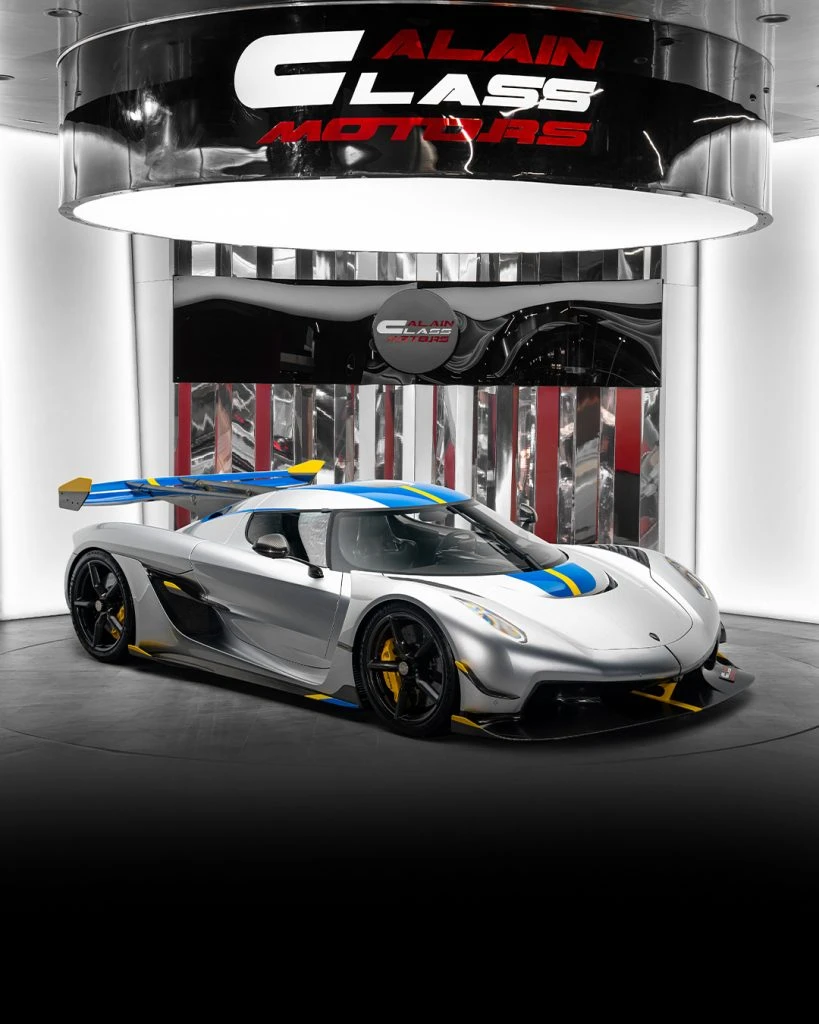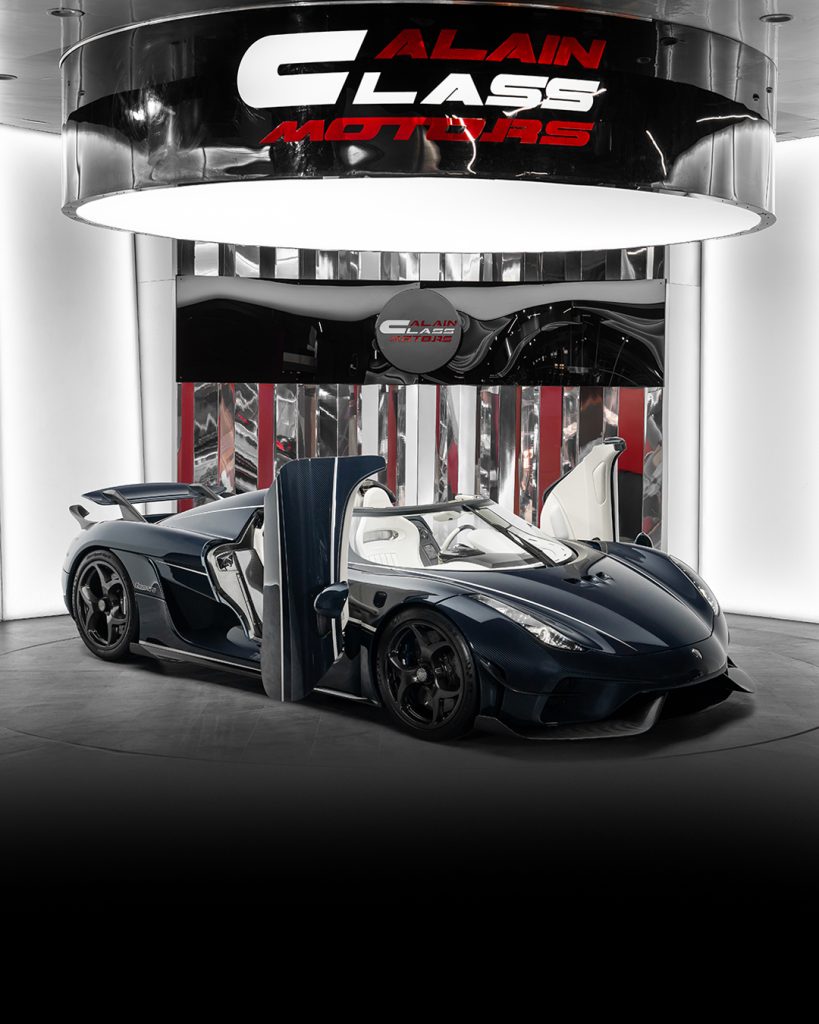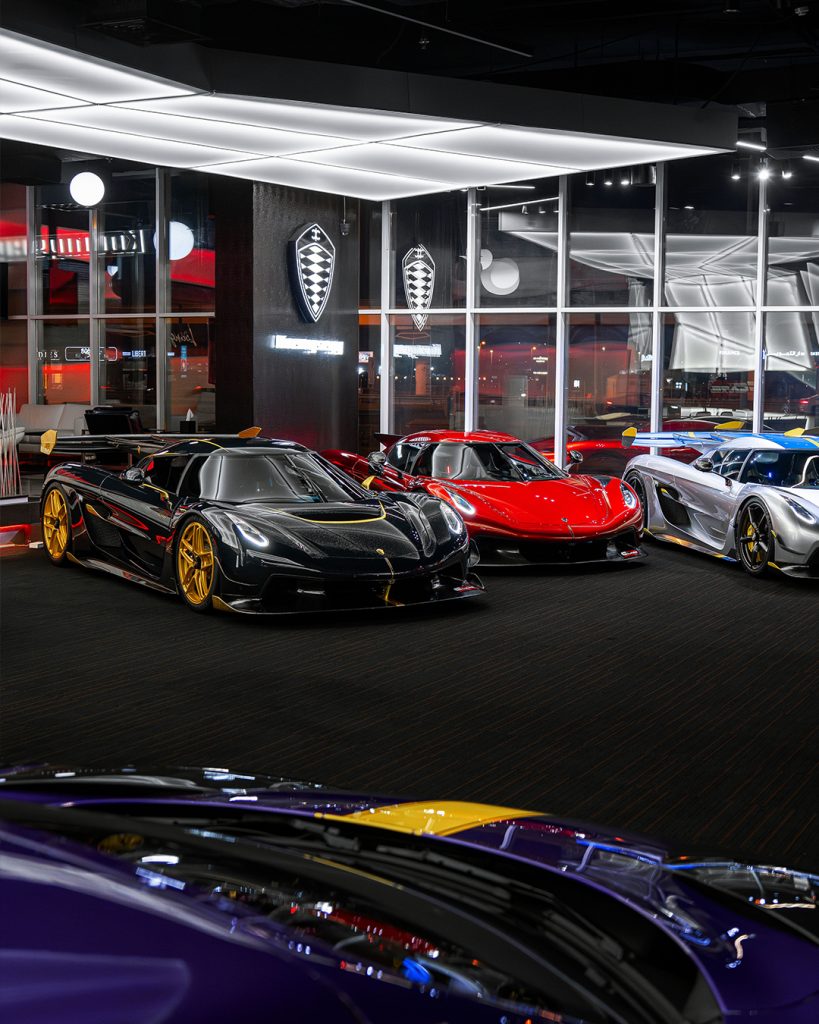
Al Ain Class Motors has proudly represented Koenigsegg in the region, connecting clients with some of the world’s most exclusive and technologically advanced hypercars. Built on a shared commitment to performance, innovation, and craftsmanship, the partnership continues to bring the Koenigsegg experience closer to enthusiasts and collectors across the Middle East.

Koenigsegg
A vision of hypercar excellence driven by innovation and precision engineering.
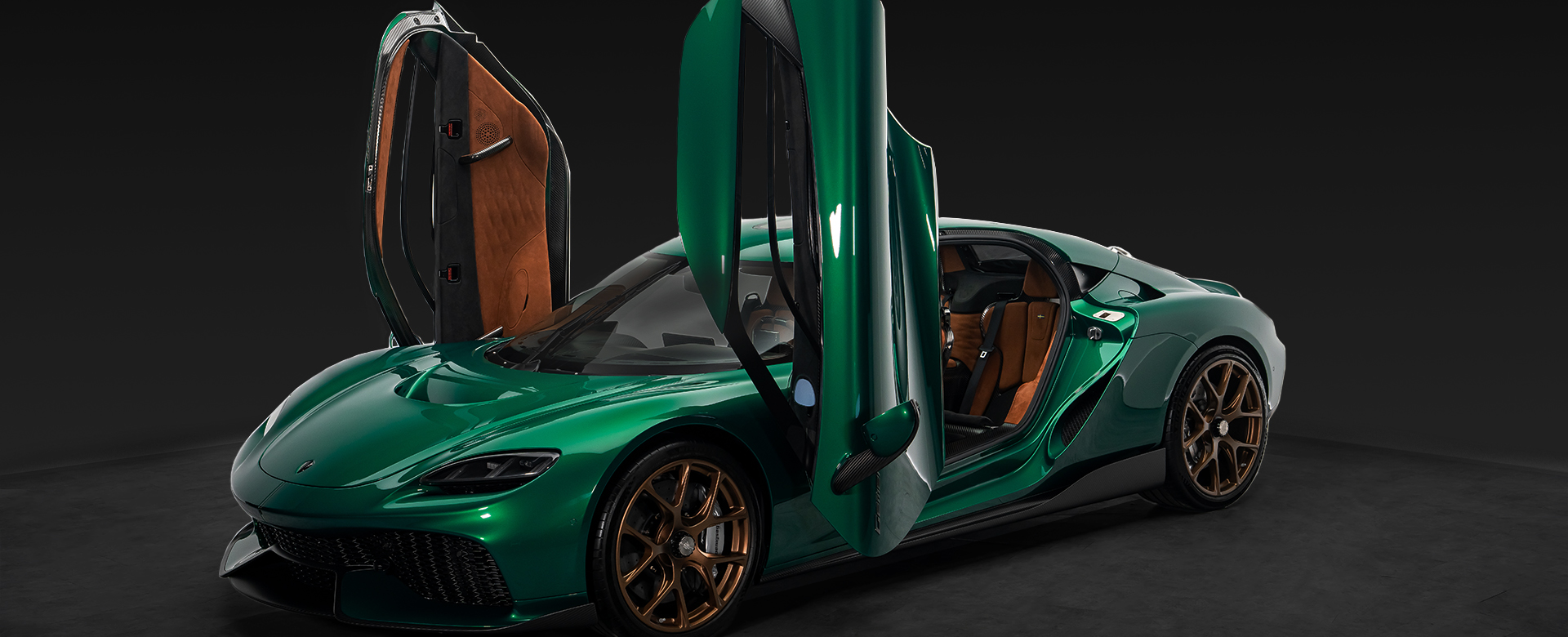

Koenigsegg Dubai
Since 2014, Koenigsegg and Al Ain Class Motors have collaborated to deliver some of the rarest and most advanced hypercars to the region.
Brand History
 1994
1994
Koenigsegg Automotive is born

22-year old Christian von Koenigsegg starts
Koenigsegg Automotive on August 12, 1994. A
classic David versus Goliath narrative takes
shape. It begins with a young man who had no
track record of car manufacturing and little
funding. But he was armed with a deep passion
for ultimate performance and a dream to build
the world’s greatest sports car.
1996
The first drive
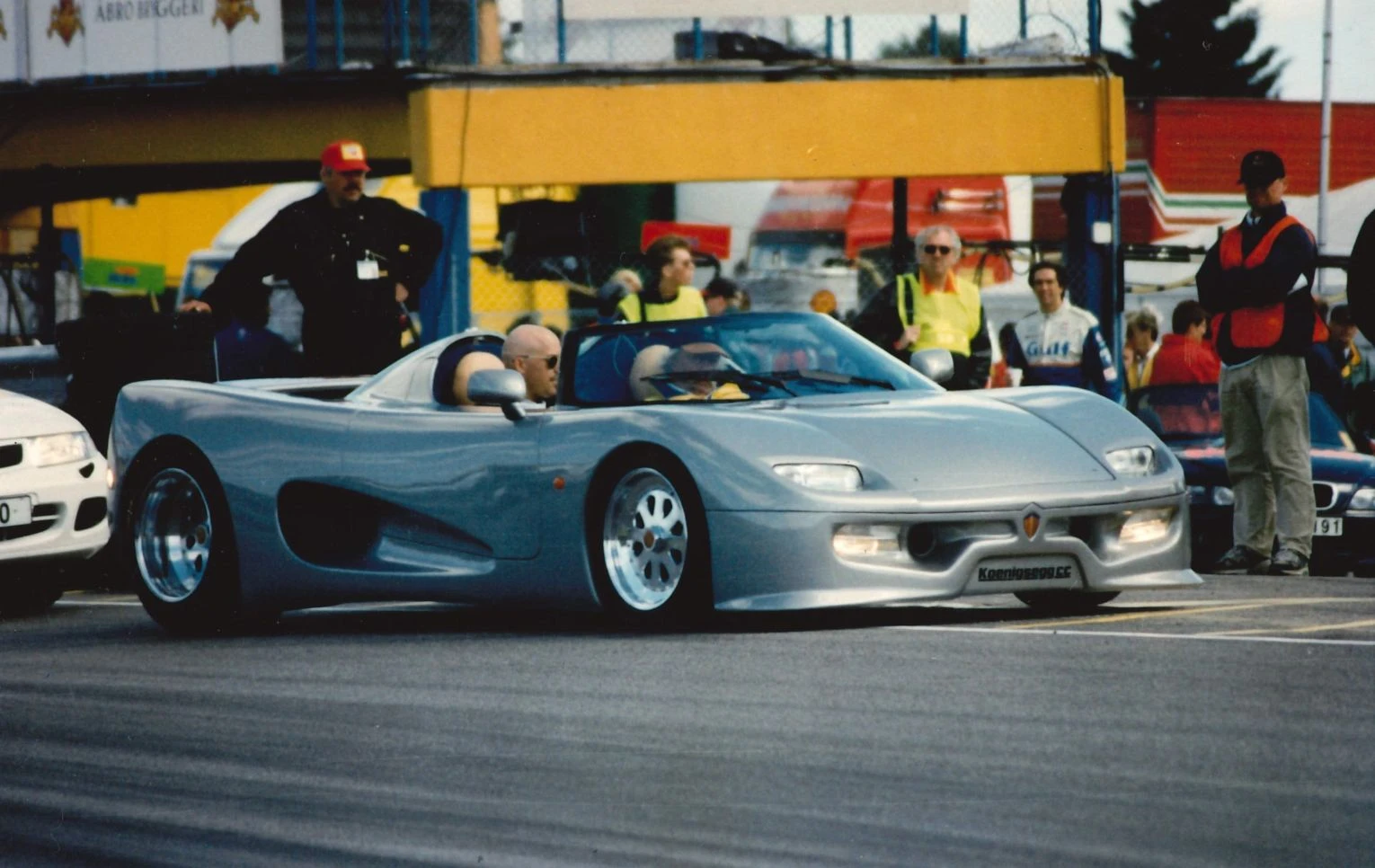
After nearly two years in the making,
Koenigsegg’s concept vehicle – ‘CC’ – was
finally driven in public for the first time by
Rickard Rydell at an event at Anderstorp race
track in 1996. Other race-car drivers to test the
prototype included Picko Troberg and Calle
Rosenblad. The concept worked spectacularly,
and was a great start to introducing Koenigsegg
to prospective buyers.
1997
Success At Cannes
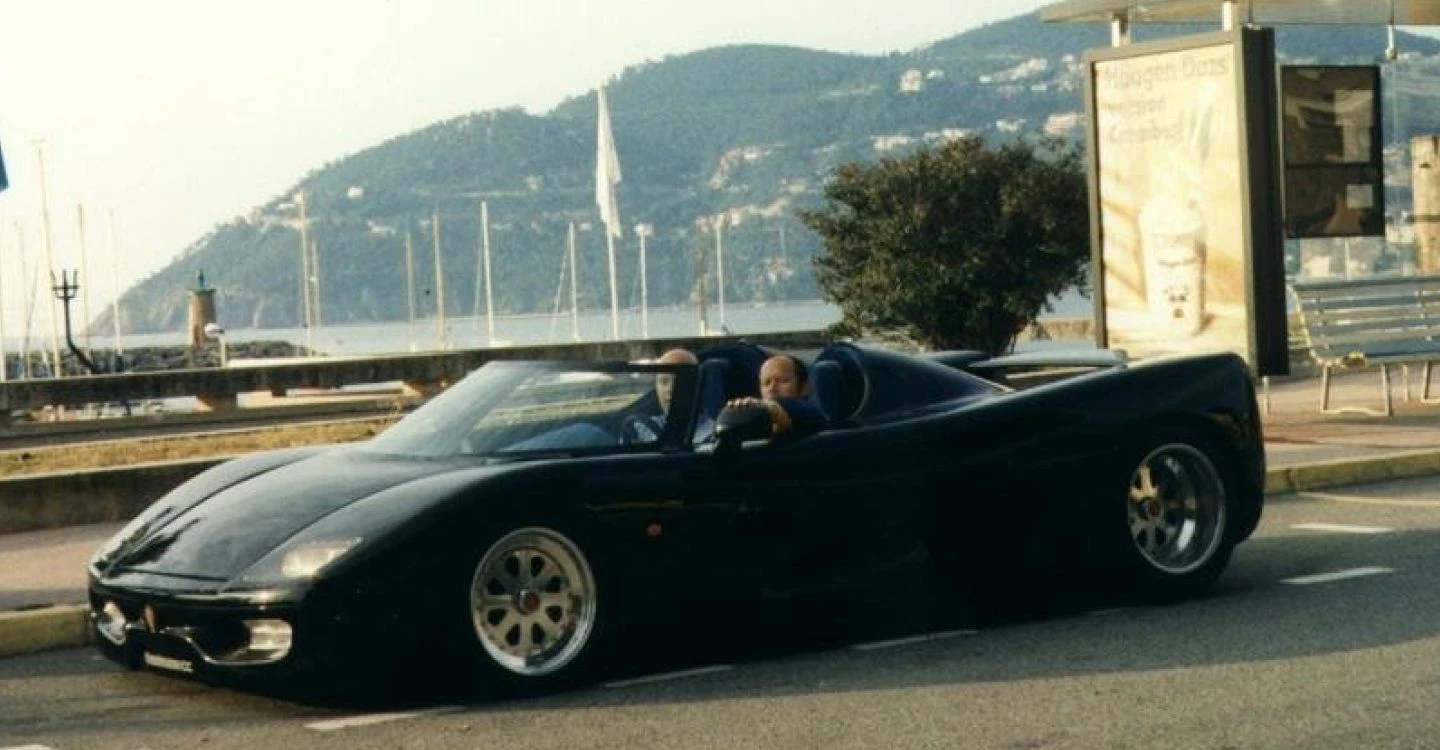
The Koenigsegg CC prototype was shown at the
Cannes Film Festival and its success was
immediate. Satisfactory test results from earlier
driving, combined with the great media
coverage at Cannes, enabled the company to go
forward and engage in the creation of a finished
product.
1999
A new Home In the South-West
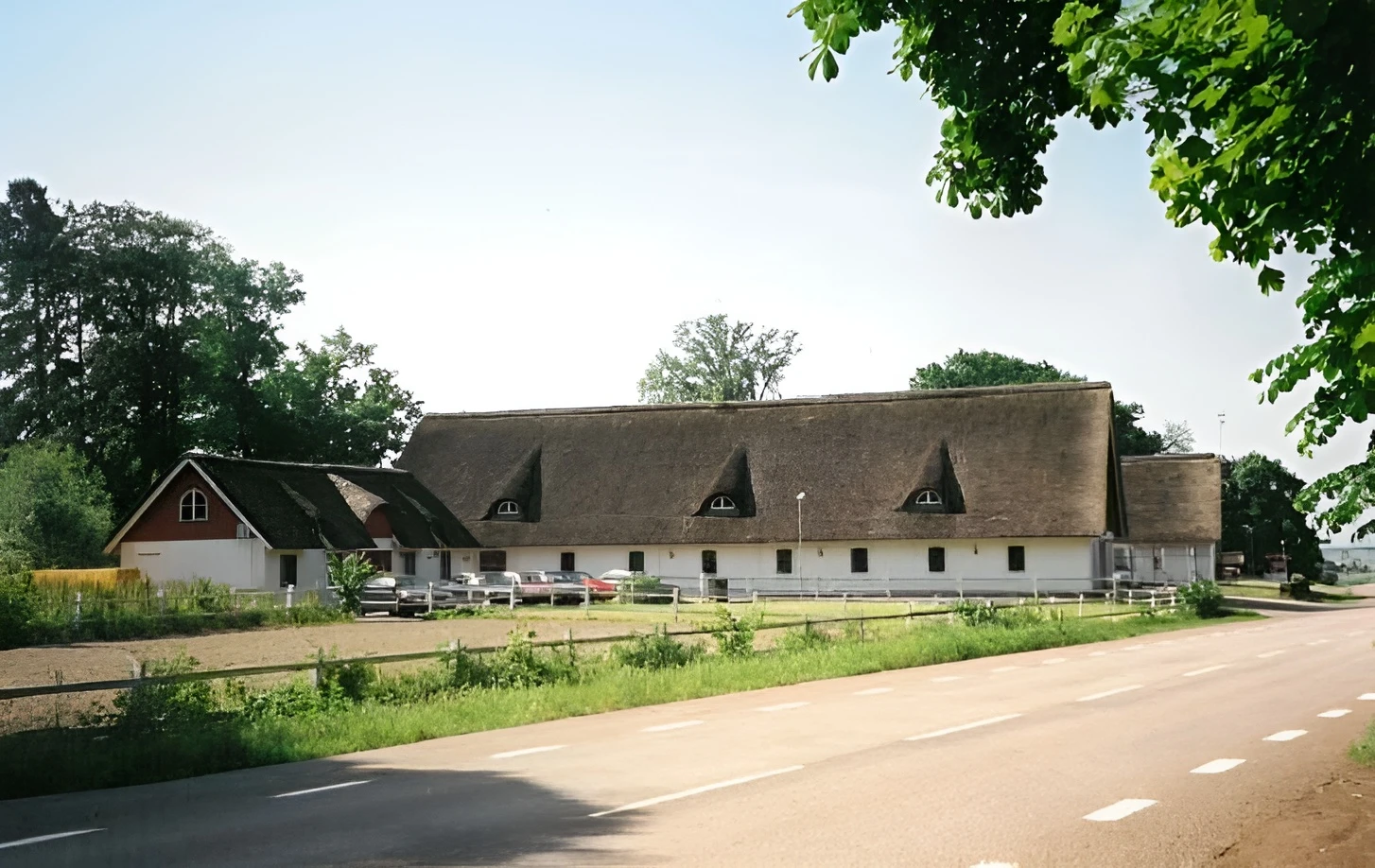
In early 1999, Koenigsegg completed a move
from their original workshop on the south-east
coast town of Olofstrom, to a new workshop in
the south-west, in a town called Margretetorp.
2000
Motorshow Debut in Paris
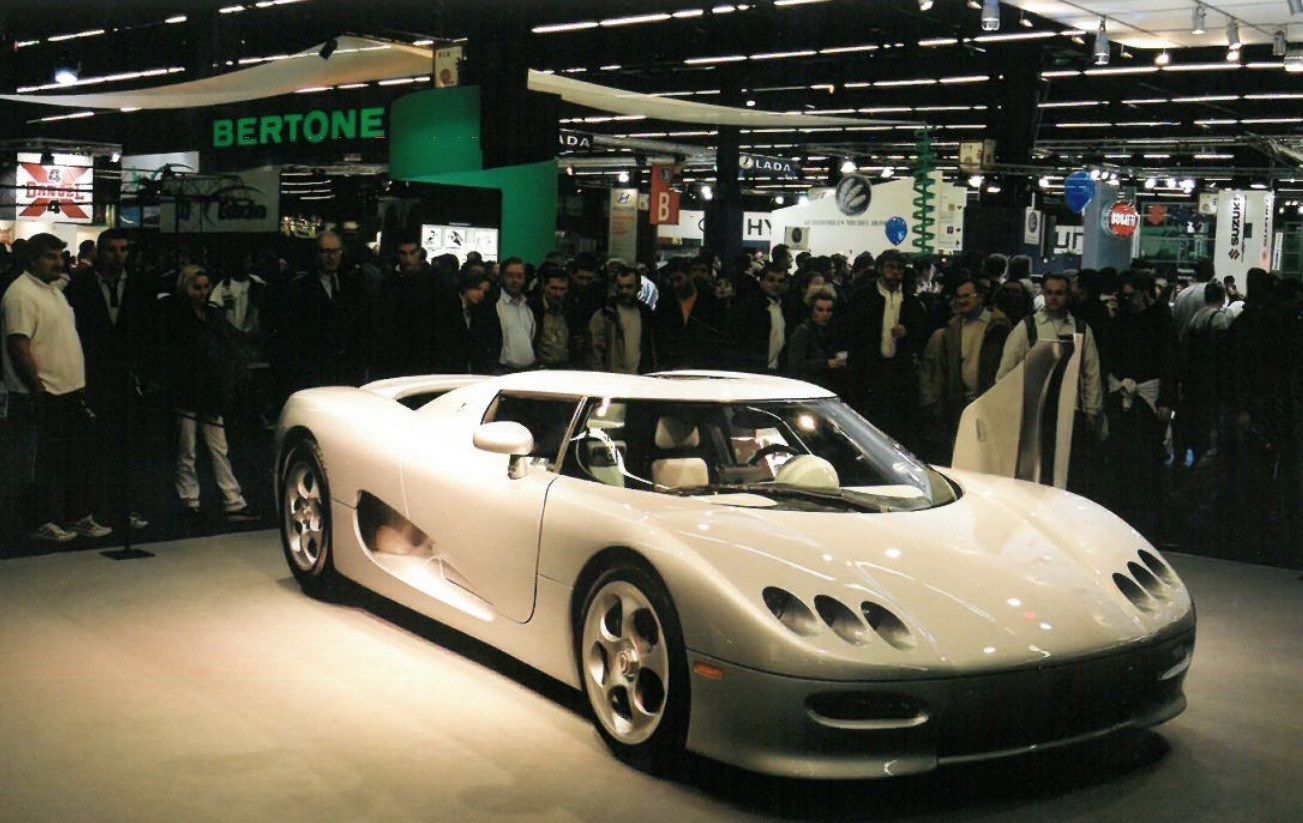
The first Koenigsegg production prototype made its public debut at the Paris Motor Show in September, 2000. The car on show was the first-ever Koenigsegg CC8S Production prototype, which later became the test car and crash-test car that enabled Koenigsegg to homologate vehicles to sale. It featured an early version of the 655 hp Koenigsegg engine that would later feature in customer cars.
2002
Koenigsegg CC8S
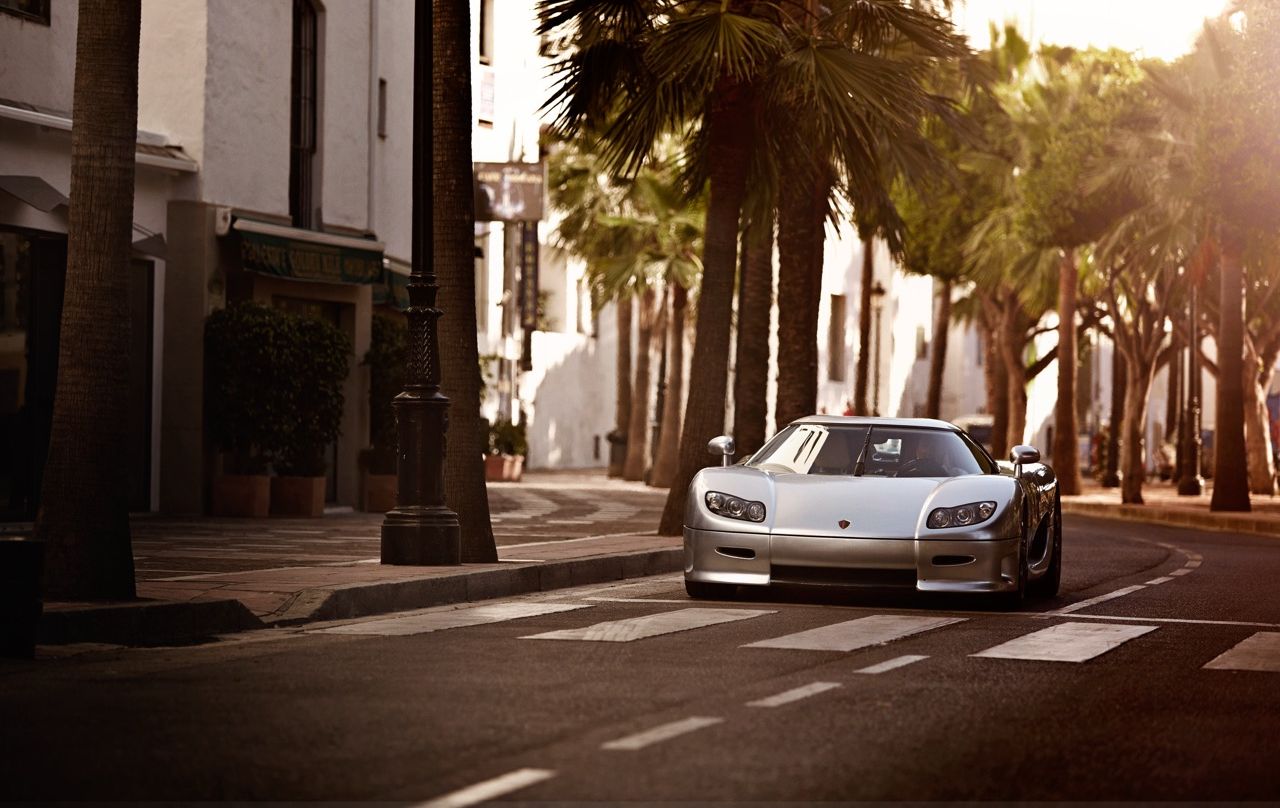
The first CC8S, short for
Competition Coupe V8
Supercharged, was built in
2002 and delivered at the
Geneva Motor Show in
March, 2003. Its
minimalistic, clean styling
set it apart from its peers
and it laid the foundation for
every Koenigsegg that
followed in terms of
aesthetics, philosophy, and
functionality. The CC8S was
awarded a Guinness World
Record in 2002 for the
world’s most powerful
production engine. It also
received a Red Dot Design
Award in the same year. Six
examples of the CC8S were
produced in total, making it
one of the rarest
Koenigsegg models ever.
Two of those six cars were
right-hand drive.
2003
FIRE!

The Koenigsegg factory at
Margretetorp was a heritage
building with a thatched
roof. While the roof was a
charming element, it was
also very susceptible to fire.
A fire occurred in February
2003 when the company
was only two weeks away
from showing the CC8S at
the Geneva Motor Show.
Thankfully, even though it
was a Saturday, there were
members of staff on site
who managed to save
vehicles and tooling from
the flames. Sadly, many of
the company’s earliest
records were lost in the fire.
2004
CCR Unveiled — World’s Most Powerful Production Car
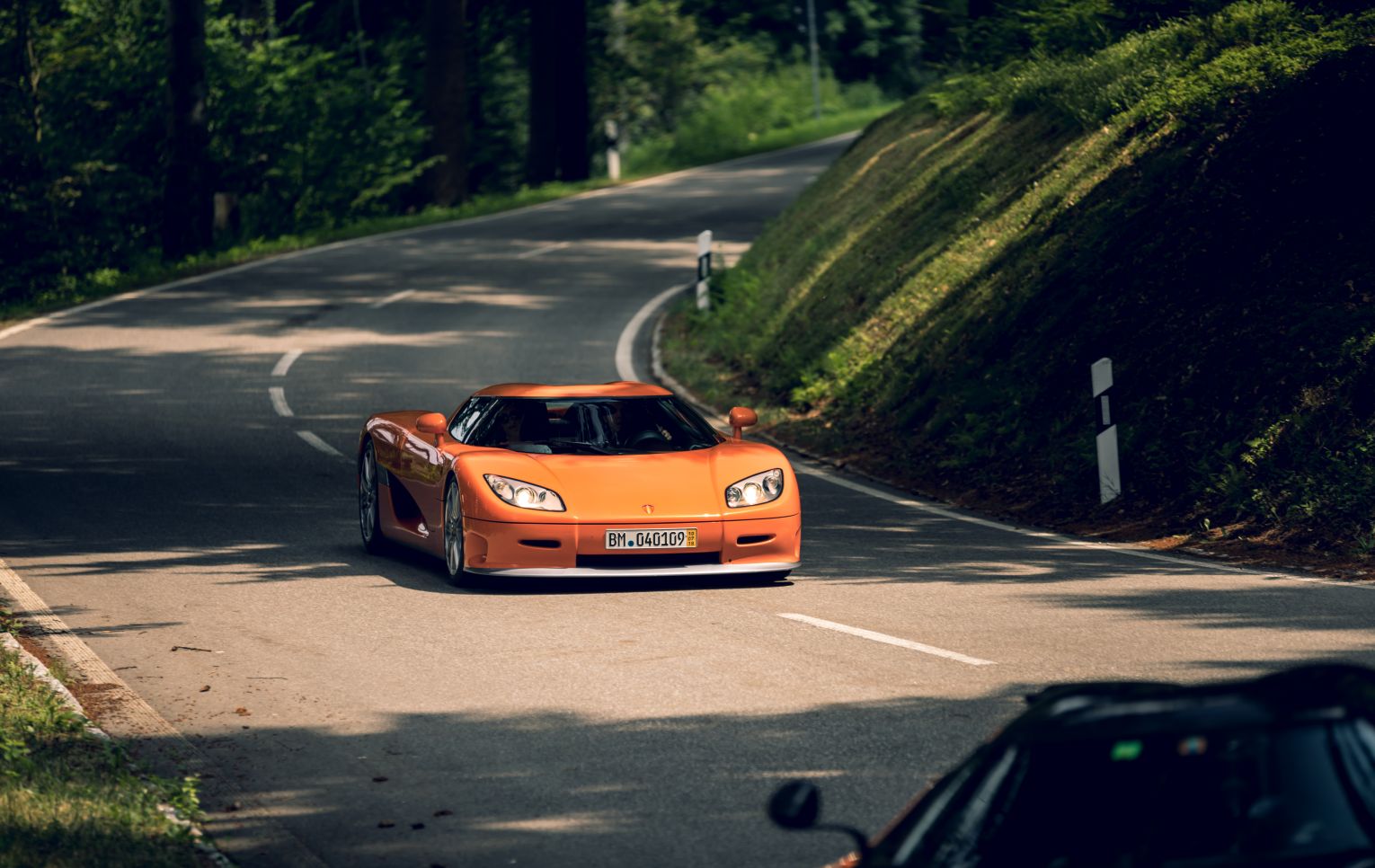
The Koenigsegg CCR was a sharper, more aggressive evolution of the Koenigsegg CC8S, built in just 14 examples between 2004 and 2006 by Koenigsegg. It came with a redesigned body featuring a larger front splitter and rear wing, along with bigger brakes, wheels, and tires, plus improvements to the chassis and suspension. But the real highlight was its twin-supercharged engine, pushing out 806 hp—over 150 hp more than the CC8S—which in 2004 helped it take the Guinness “Most Powerful Engine” title from its predecessor.
2005
World's Fastest Car
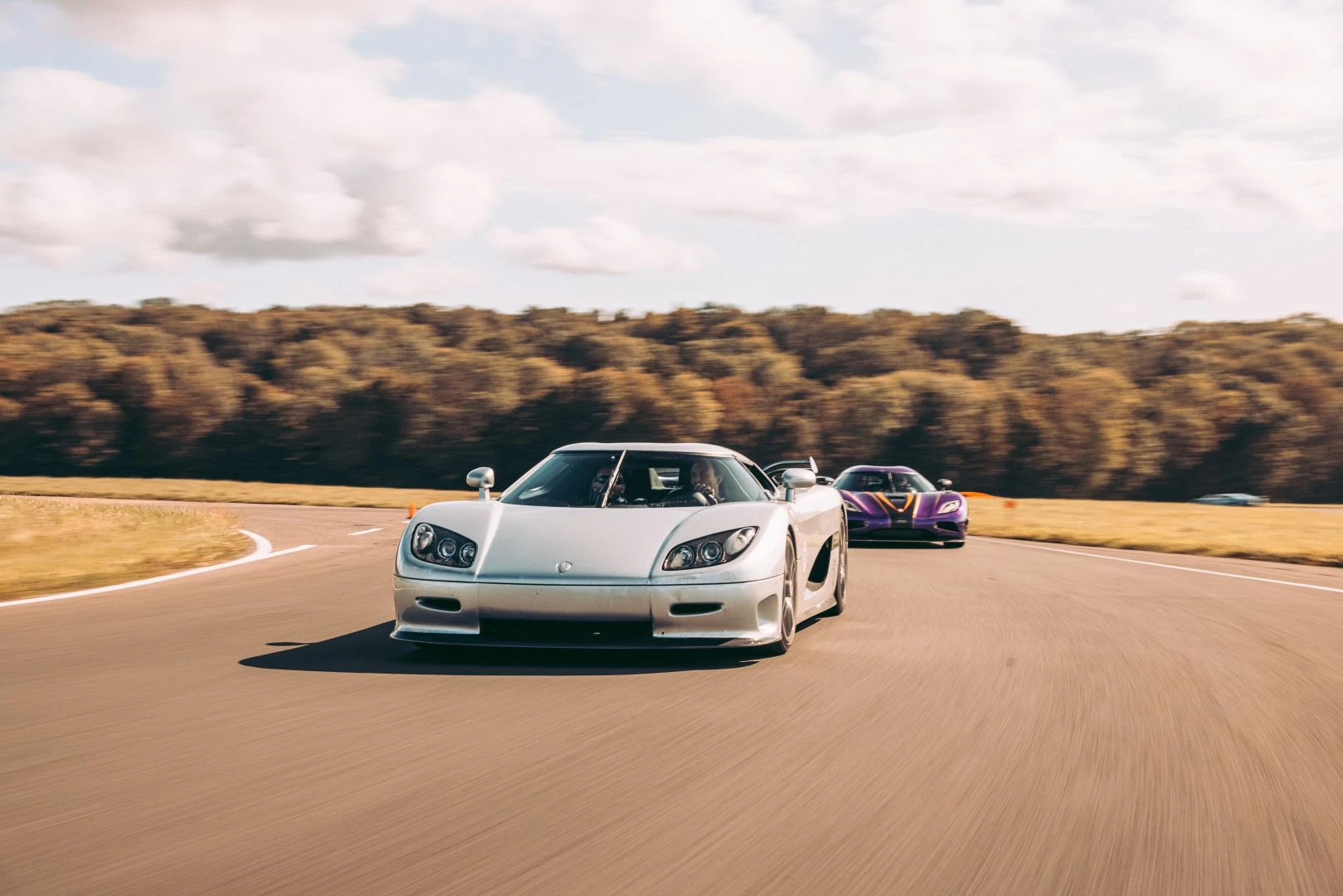
The world’s fastest car at
the beginning of 2005 was
the legendary McLaren F1,
with a speed of 386.4 km/h
set in 1998. Koenigsegg
took the new CCR to Nardo,
Italy, in February 2005 to
attempt a new record. The
car had been at Nardo for a
week without breaking the
record but the new mark
was finally set on the last
day, with a new top speed
of 387.86 km/h recorded.
The car was packed up and
shipped directly from Nardo
to Geneva for the 2005
Geneva Motor Show that
afternoon.
2006
Koenigsegg CCX & The Top Gear Lap Record
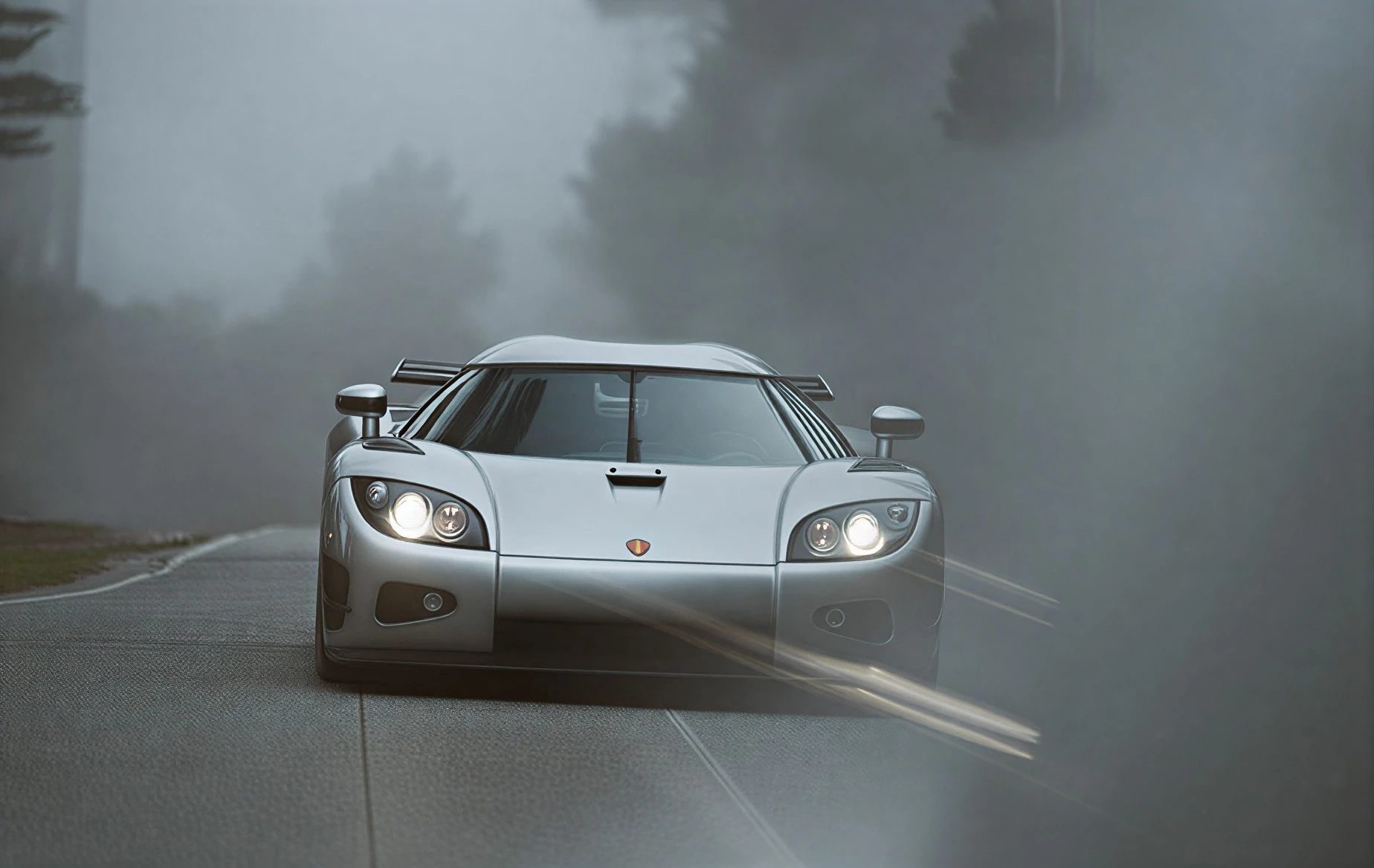
The Koenigsegg CCX may resemble the Koenigsegg CCR at first glance, but it was far more than a simple evolution. Built from the ground up by Koenigsegg, it kept the brand’s signature mid-engined V8 layout and carbon fiber tub with a removable roof, while introducing a slightly larger, fully re-engineered platform designed to meet global safety and emissions standards—making it the first Koenigsegg officially sold in the United States. Its performance quickly proved itself on Top Gear, where in 2006 it set a lap record at the test track that stood unbeaten by any global production car for seven years, and also recorded a top speed of 196 mph.
2007
Koenigsegg CCXR & CCGT
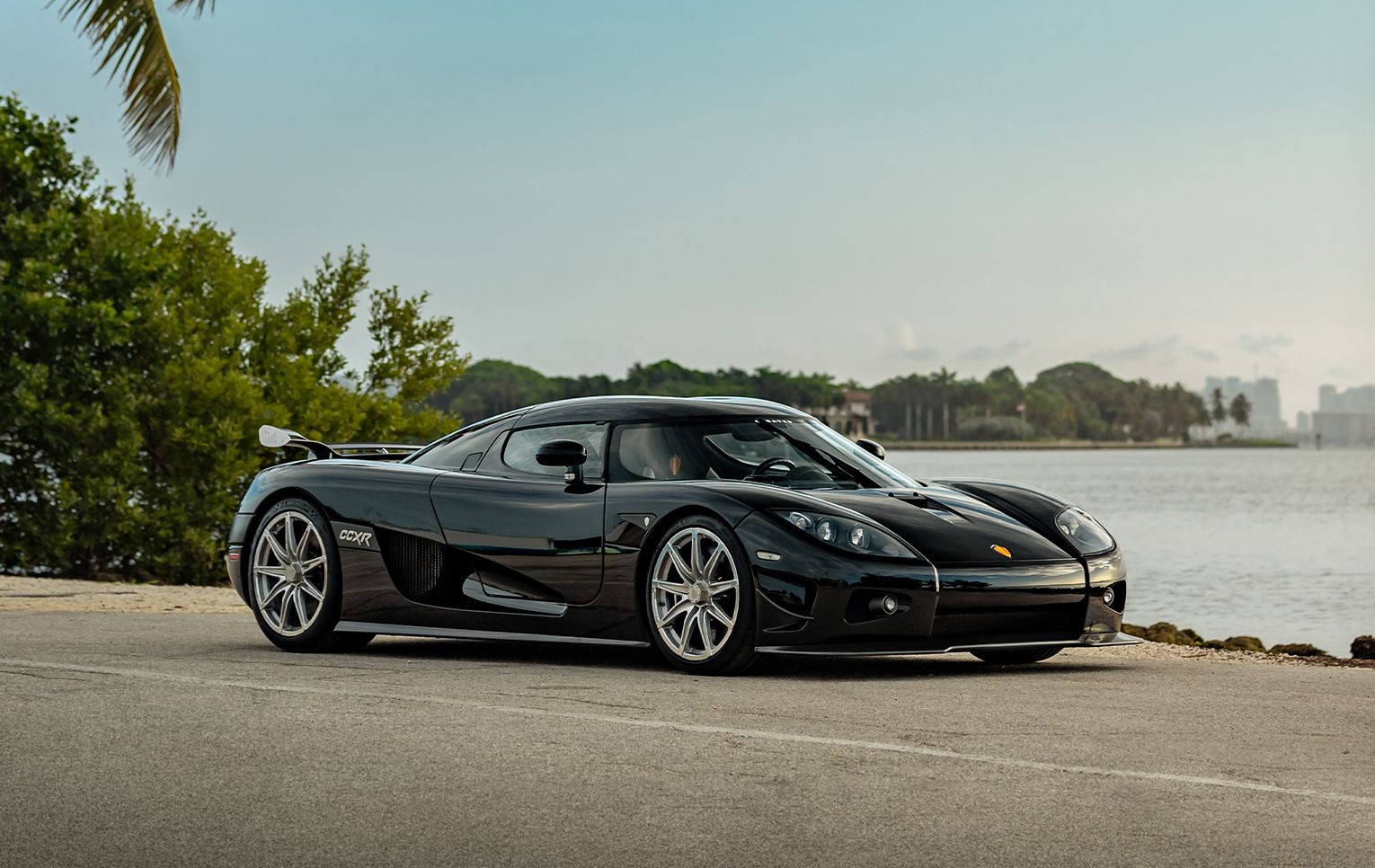
The Koenigsegg CCXR, unveiled in 2007 by Koenigsegg, was hailed as the world’s first “green” supercar, taking the brand’s twin-supercharged V8 to new heights with flex-fuel capability that allowed it to run on gasoline, E85, or any blend in between—unlocking an incredible 1,018 hp on ethanol and setting a new benchmark at the time. It also introduced the advanced Chrono instrument cluster, blending functionality with a distinctive design, while a special version was even built to run on E100 fuel, marked by a unique blue “R” badge. That same year, the Koenigsegg CCGT made its debut at the Geneva Motor Show, developed as a lightweight GT1 race car with a naturally aspirated V8 producing around 600 hp and weighing under 1,000 kg, showing strong potential in testing before the project was ultimately cut short due to FIA regulation changes that required higher production numbers than Koenigsegg could meet.
2008
Koenigsegg CCX & CCXR: Editions and Speed Records
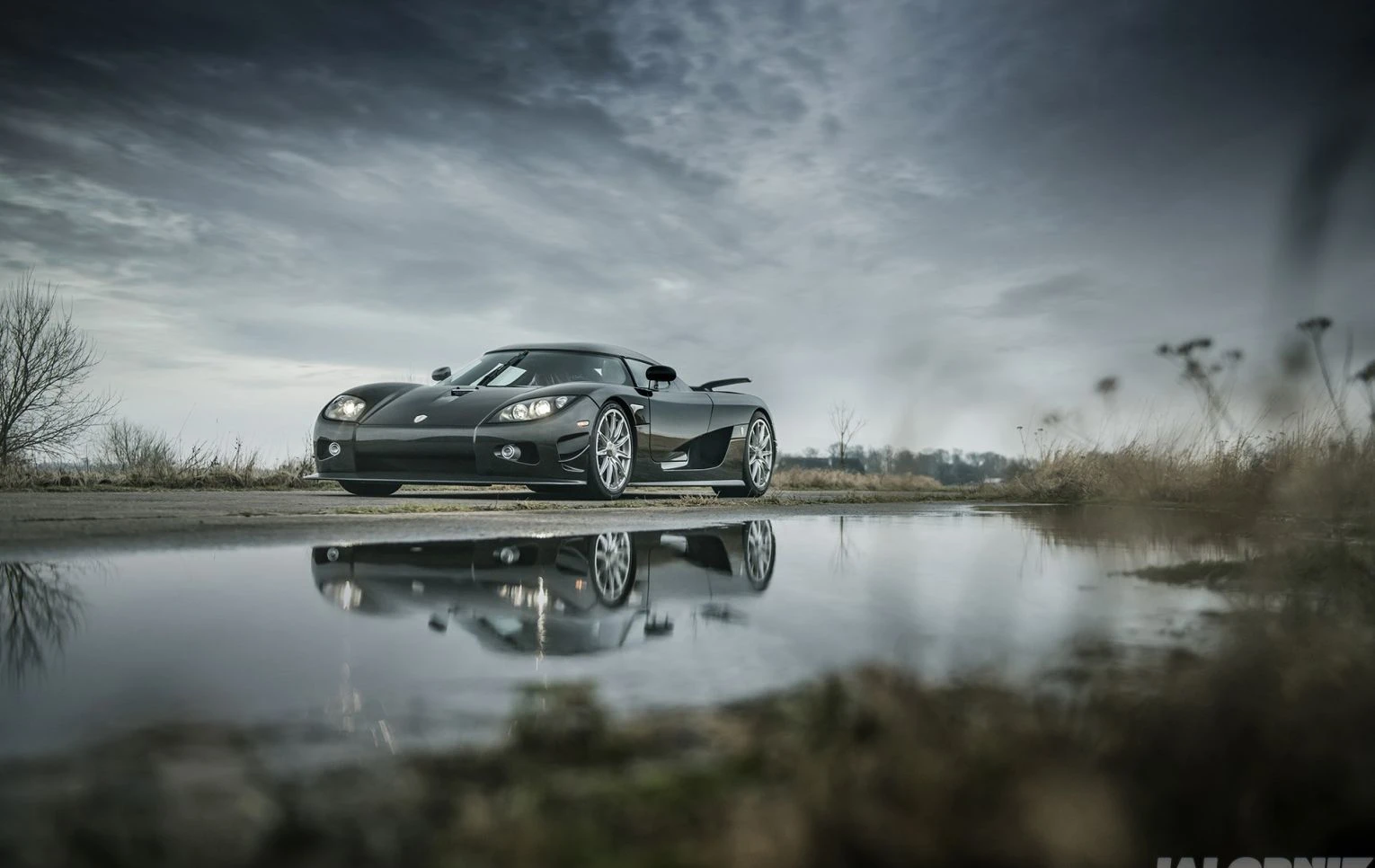
The Koenigsegg CCX and Koenigsegg CCXR Editions, unveiled by Koenigsegg at the Geneva Motor Show in March 2008, pushed performance and design even further with clear-carbon bodies, unique 11-spoke Edition wheels, refined aerodynamics, and specially tuned suspension setups to enhance their already impressive handling. The CCX Edition saw its power increase to 888 hp, while the CCXR Edition maintained its 1,018 hp output, with production kept extremely limited—just two CCX Editions and four CCXR Editions. That same year, the CCX proved its performance credentials by setting multiple speed records with Horst von Saurma of Sport Auto behind the wheel, including an astonishing 0–300–0 km/h run in just 29.2 seconds, along with a 0–200 km/h time of 9.3 seconds—figures that still stand as a benchmark for high-performance cars today.
2009
Koenigsegg CCXR Trevita & Special Edition

The Koenigsegg CCXR Trevita, announced in 2009 by Koenigsegg, stood out for its unique white carbon fiber weave—developed exclusively for the model—giving it a shimmering, diamond-like finish, with “Trevita” meaning “three whites” in Swedish; although originally planned as a three-car run, only two were ever built, making it one of the rarest Koenigseggs alongside the Koenigsegg CCXR Special Edition. Created as a final send-off for the CCX lineup before the arrival of the Koenigsegg Agera, the CCXR Special Edition featured a clear-carbon body, a distinctive double F1-style rear wing, revised aerodynamics, Agera-inspired rear wheel venting, Koenigsegg’s first paddle-shift transmission, and an upgraded touchscreen interior, serving as a high-spec bridge between two eras—also limited to just two examples, further cementing its exclusivity.
2010
Koenigsegg Agera
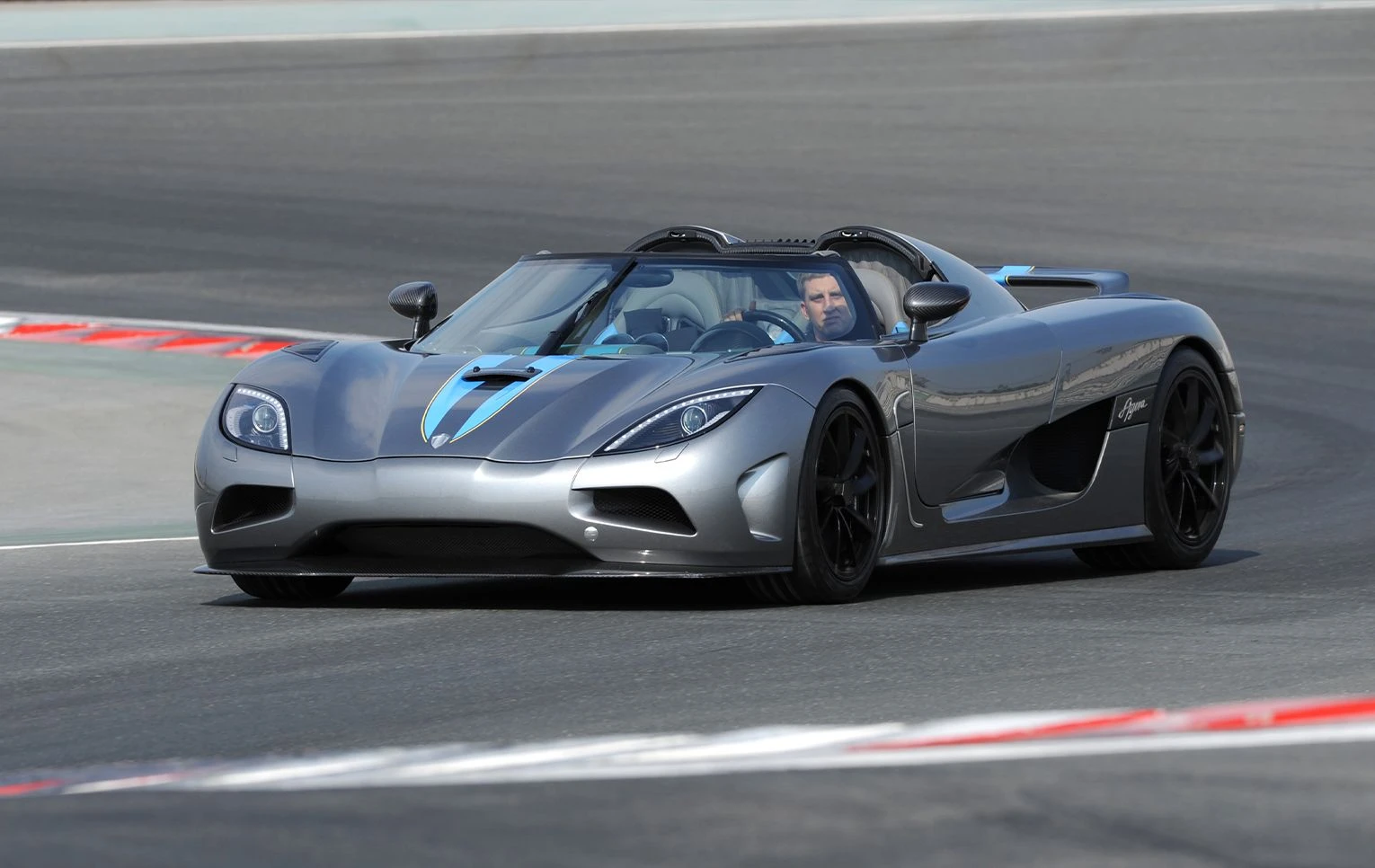
Agera means “to take
action” and there has never
been a more appropriate
name for a car. The
Koenigsegg Agera, unveiled
at the Geneva Motor Show
in March 2010, was
Koenigsegg taking action –
moving the brand forward
into bold, new territory. The
Agera featured a new
interior highlighted by
Koenigsegg’s new ‘ghost’
lighting system. It had
Koenigsegg’s new VGR
wheels, designed like
turbines to extract heat
from the car’s brakes. It also
marked the change from
twin-supercharging to
twin-turbocharging.
Koenigsegg completely
redesigned its exhaust
system to virtually eliminate
turbo-lag, opening up a
world of power potential
while still retaining a light,
compact engine package.
This allowed the Agera to
arrive with a full 960 hp and
over 1,100 Nm of torque –
more than enough to ‘take
action’ whenever you need.
The Agera won the Top
Gear Hypercar of the Year
award in 2010.
2011
Koenigsegg Agera R & 0–300–0 km/h Record Run
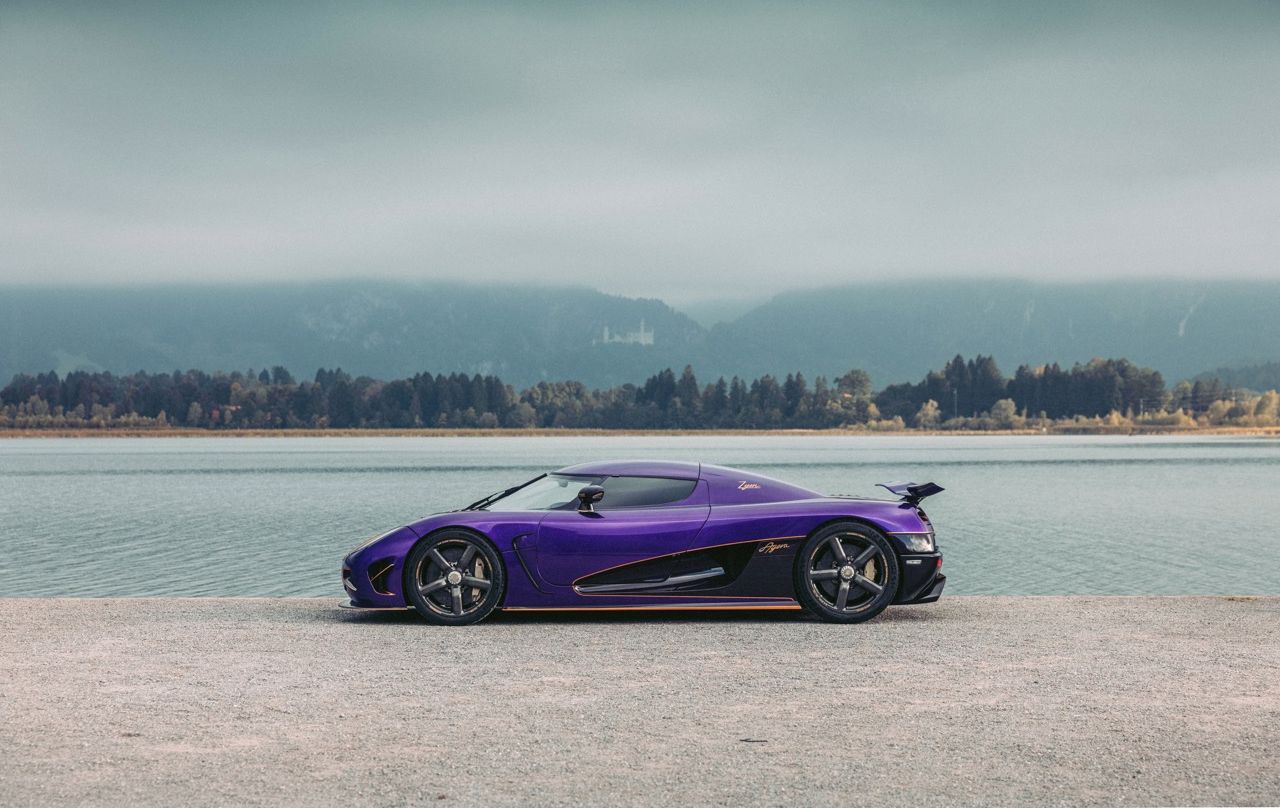
By 2011, after several years of developing ethanol-capable powertrains, Koenigsegg Agera R was introduced as a natural step forward, designed to run on anything from 95 octane pump fuel to E100 biofuel. It produced 960 hp on standard fuel, but this jumped dramatically to 1,140 hp—and 1,200 Nm of torque—when running on E85 or E100, showcasing how far Koenigsegg had pushed performance engineering in just a few years. That progress was clearly reflected in its record-breaking acceleration, improving on the previous CCX benchmark by completing the 0–300–0 km/h run in just 21.19 seconds—an astonishing leap that firmly established the Agera R as one of the fastest-accelerating production cars of its time.
2012
Koenigsegg Agera S
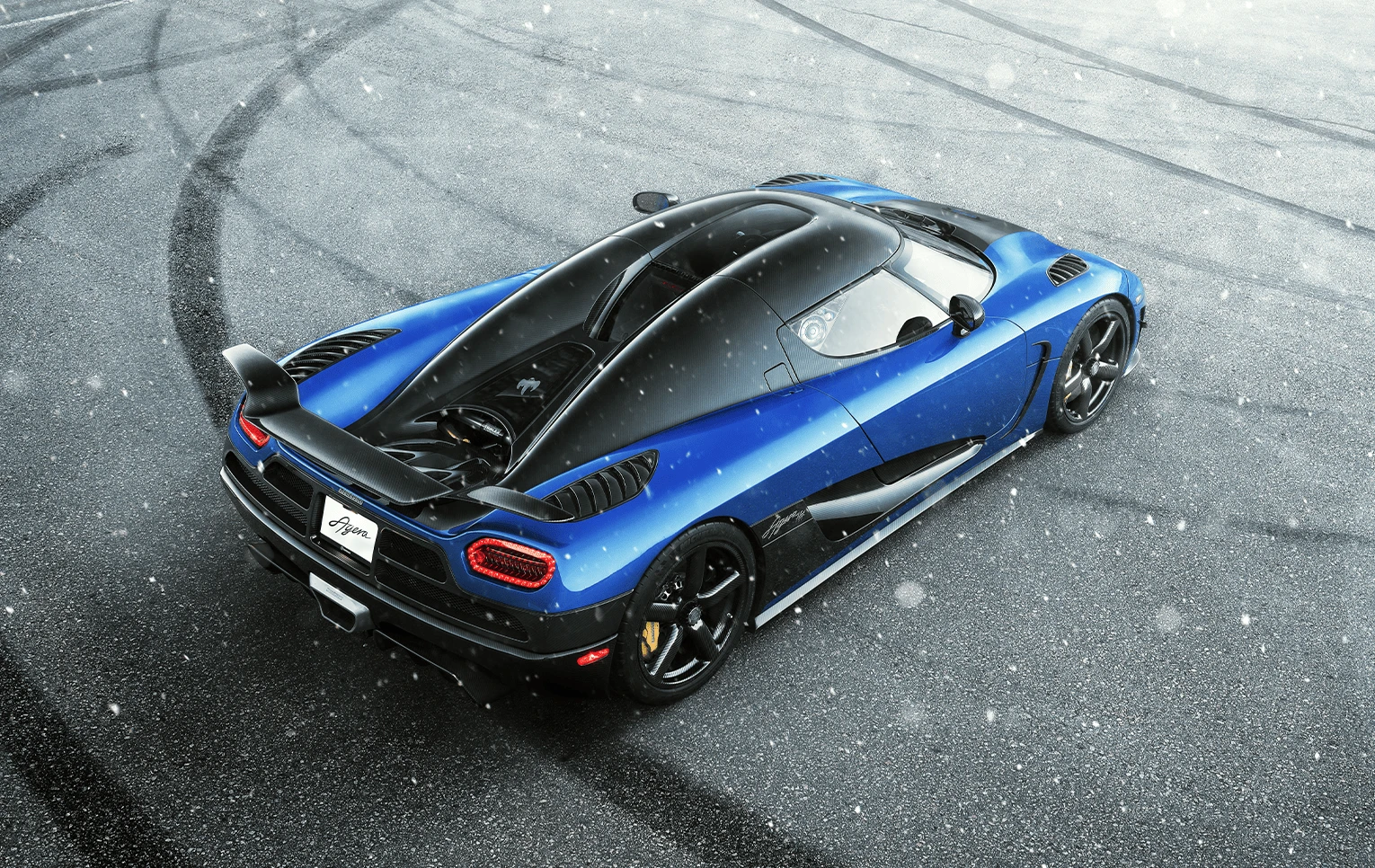
The Koenigsegg Agera S
was configured in 2012 for
markets where the biofuels
needed for maximising
output in the Agera R were
not available. Thanks to new
engine mapping and
hardware, the Agera S was
the first Koenigsegg to
make over 1,000 hp on
regular, 95 octane pump
gasoline, with maximum
output of 1,040 hp. The
Agera S also saw the debut
of Koenigsegg’s AirCore
hollow carbonfibre wheels.
These revolutionary new
wheels weighed 40% less
than regular alloy wheels – a
massive saving in
un-sprung weight that
provides both acceleration
and handling benefits.
Koenigsegg was the first
manufacturer to offer
carbonfibre wheels on
factory built cars and is still
the only OEM making its
own carbonfibre wheels
in-house.
2014
Koenigsegg One:1
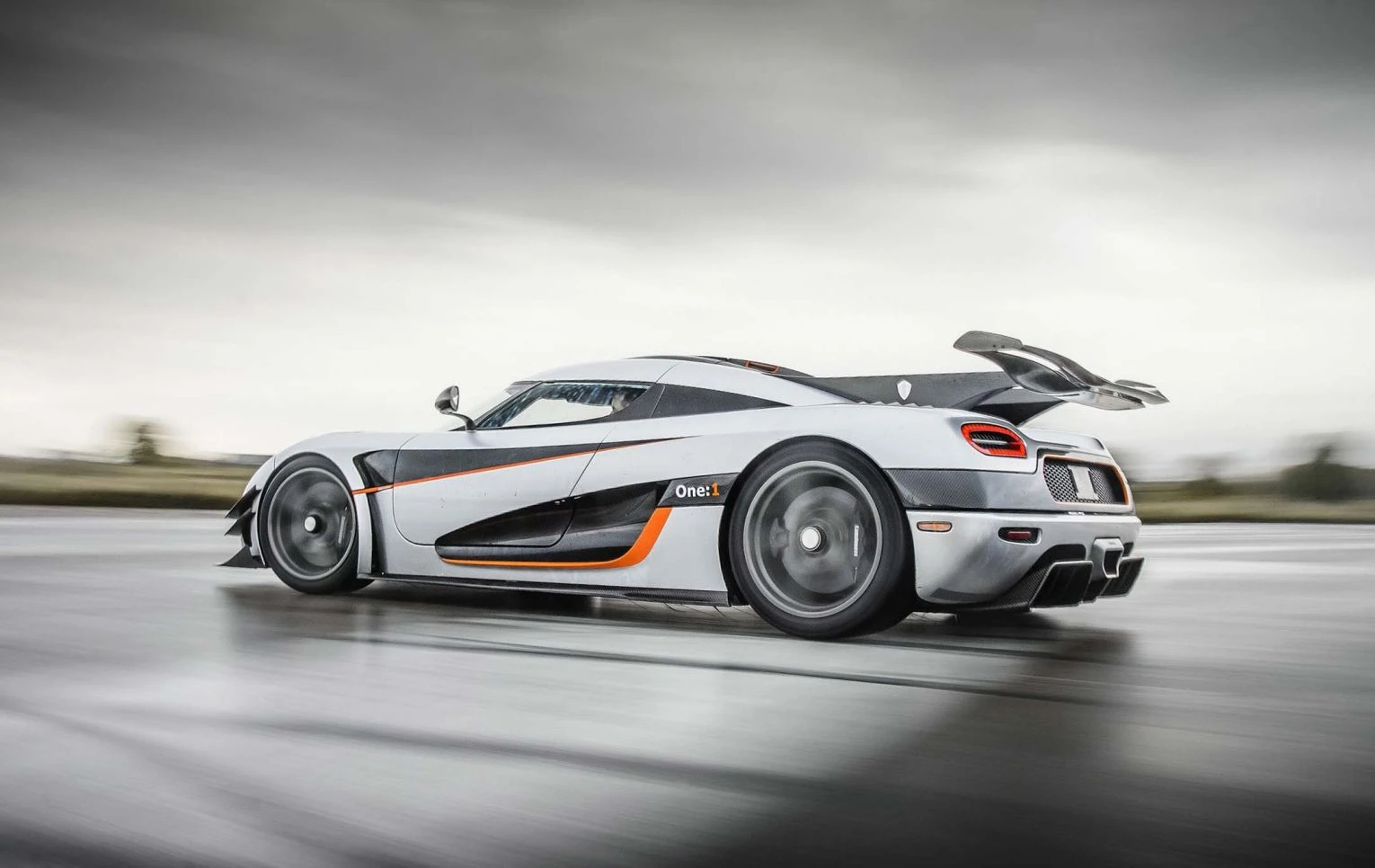
The One:1 was the world’s
first production car with a 1:1
power-to-weight ratio.
Around 100kg was shaved
from the Agera R to achieve
a 1,360kg curb weight to
match its 1,360hp
twin-turbo V8 engine (on
E85). The One:1 was the
most extreme Koenigsegg
ever at its debut, with
blistering acceleration and
an amazing 2g of lateral
grip. Developments specific
to the One:1 include:
track-optimized aero
winglets, extended venturi
tunnels and side splitters,
Le-Mans inspired
top-mounted active rear
wing and active under-trim
air management, large air
vents to improve cooling, a
roof air scoop, 8250 RPM
rev limit, custom Michelin
Cup Tires, upgraded rear
Triplex suspension with
carbon bevel springs, active
shock absorbers and ride
height management. The
One:1 claimed lap records at
Spa-Francorchamps and
Suzuka Circuit in 2015. Six
customer cars were built,
along with one factory
development car.
2015
Koenigsegg Regera Debut, Agera RS & One:1 0–300–0 km/h Record
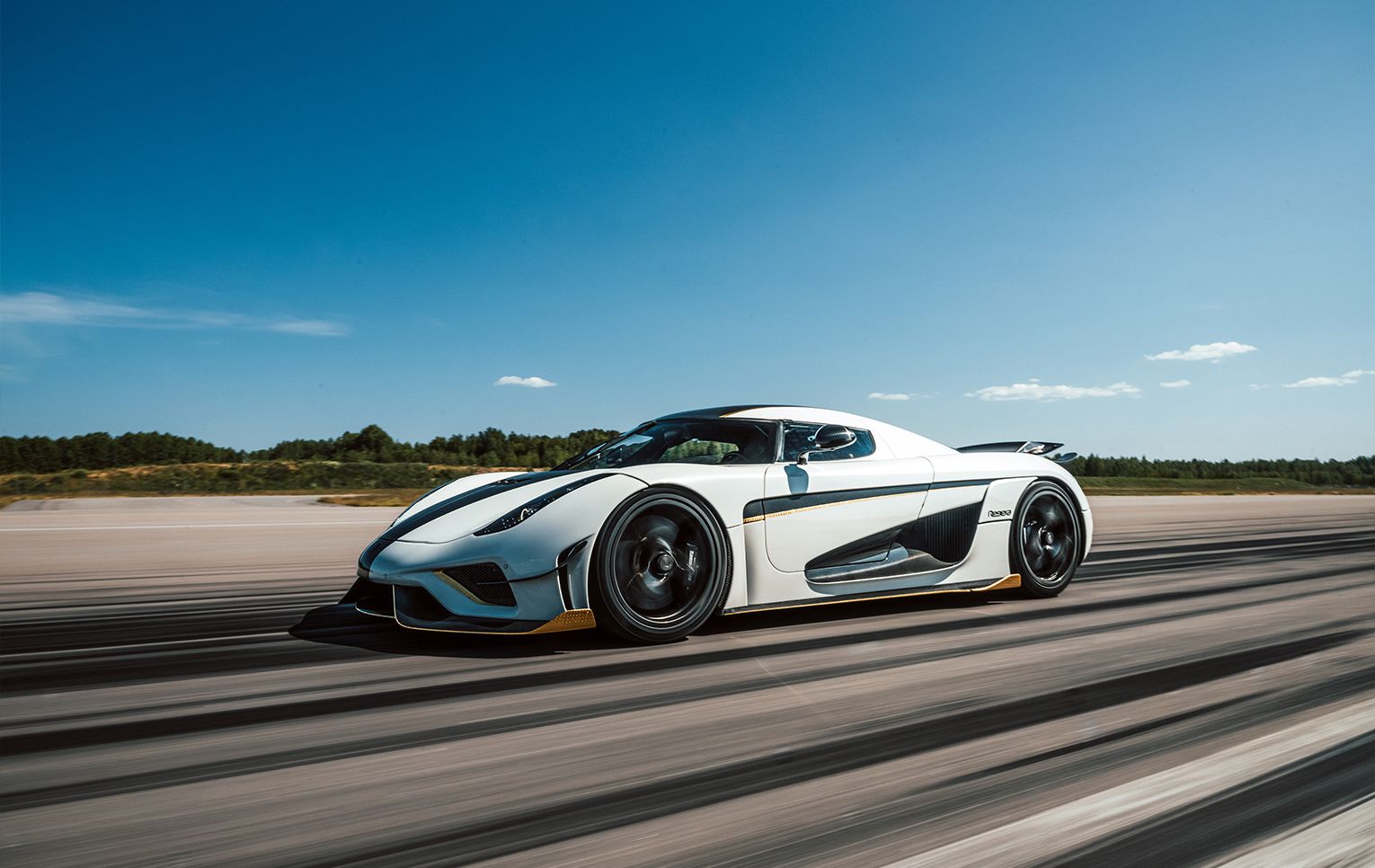
At the 2015 Geneva Motor Show, Koenigsegg Regera marked a major shift for Koenigsegg, introducing a hybrid powertrain combining a twin-turbo V8 with three electric motors and an ultra-light battery pack to deliver over 1,500 hp, all without a traditional gearbox thanks to its Direct Drive system that blends electric and combustion power seamlessly; later that same year, the Koenigsegg Agera RS debuted at Geneva as a more refined evolution of the extreme One:1, producing up to 1,160 hp on 95-octane fuel and featuring advanced aerodynamics, active suspension, and cloud-based software systems, with just 25 units built and full worldwide homologation; around this era, Koenigsegg’s performance dominance was clearly demonstrated through successive 0–300–0 km/h benchmarks, improving from the CCX’s 29.2 seconds in 2008 to the Agera R’s 21.19 seconds in 2011, before the Koenigsegg One:1 pushed it even further in 2015 with a staggering 17.95-second run, redefining acceleration and braking performance in the hypercar world.
2016
Koenigsegg Agera Final Edition
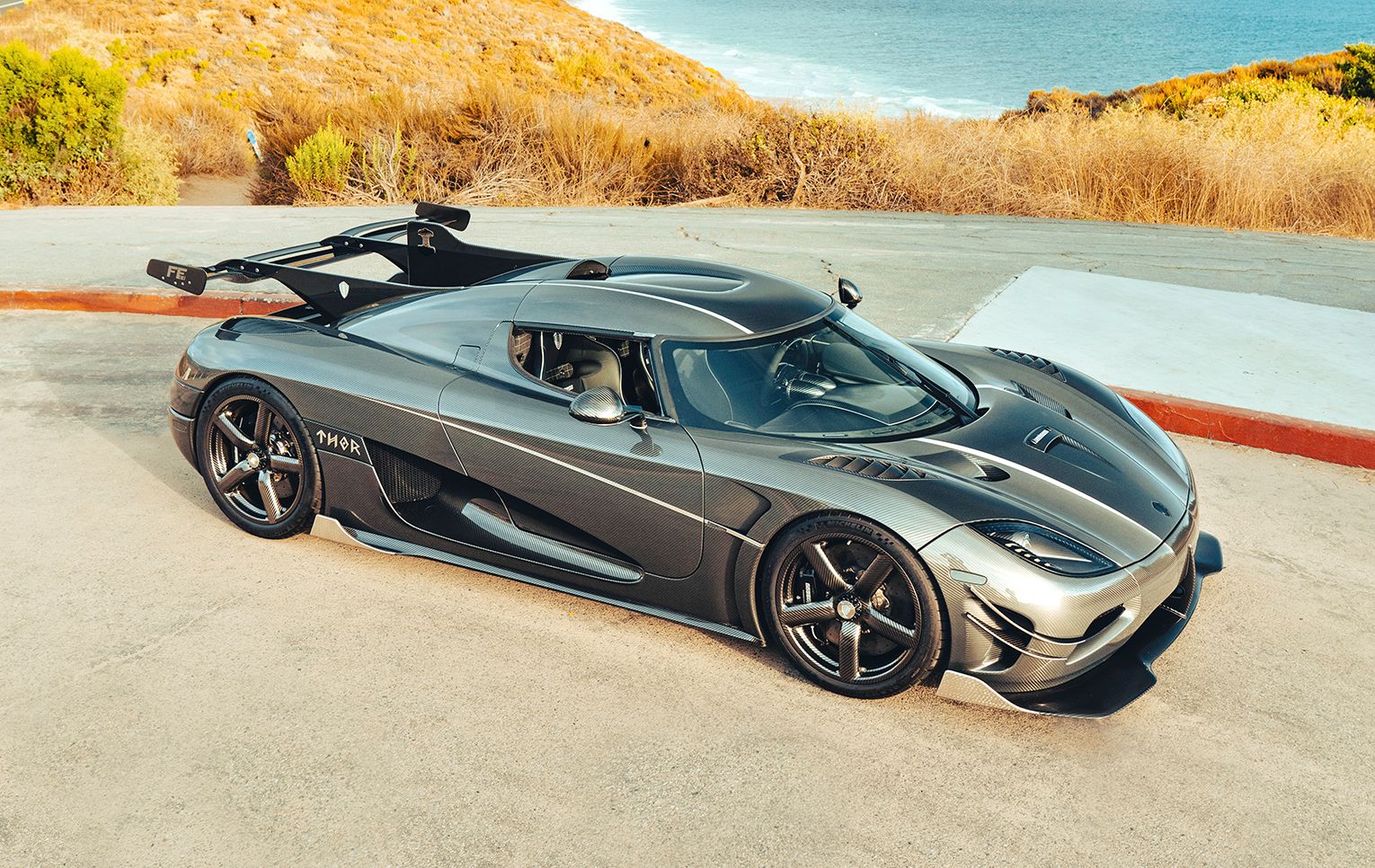
Koenigsegg announced a
grand finale for the Agera
model line with a limited
edition of three Agera Final
models. The Agera Final
editions were based on the
Koenigsegg Agera RS but
offered unparalleled levels
of customization. Clients
could specify any
equipment from the
Koenigsegg options list –
free of charge – and
Koenigsegg also worked
with the client to develop
bespoke aerodynamics that
will only ever be used on
their specific car. It is the
ultimate expression of the
Agera philosophy. The first
Agera Final edition was built
in time for the 2016 Geneva
Motor Show and is called
the One of One. The two
remaining Agera Final
editions were built at the
end of the Agera RS
production run.
2017
Highest top speed Record For the Agera RS
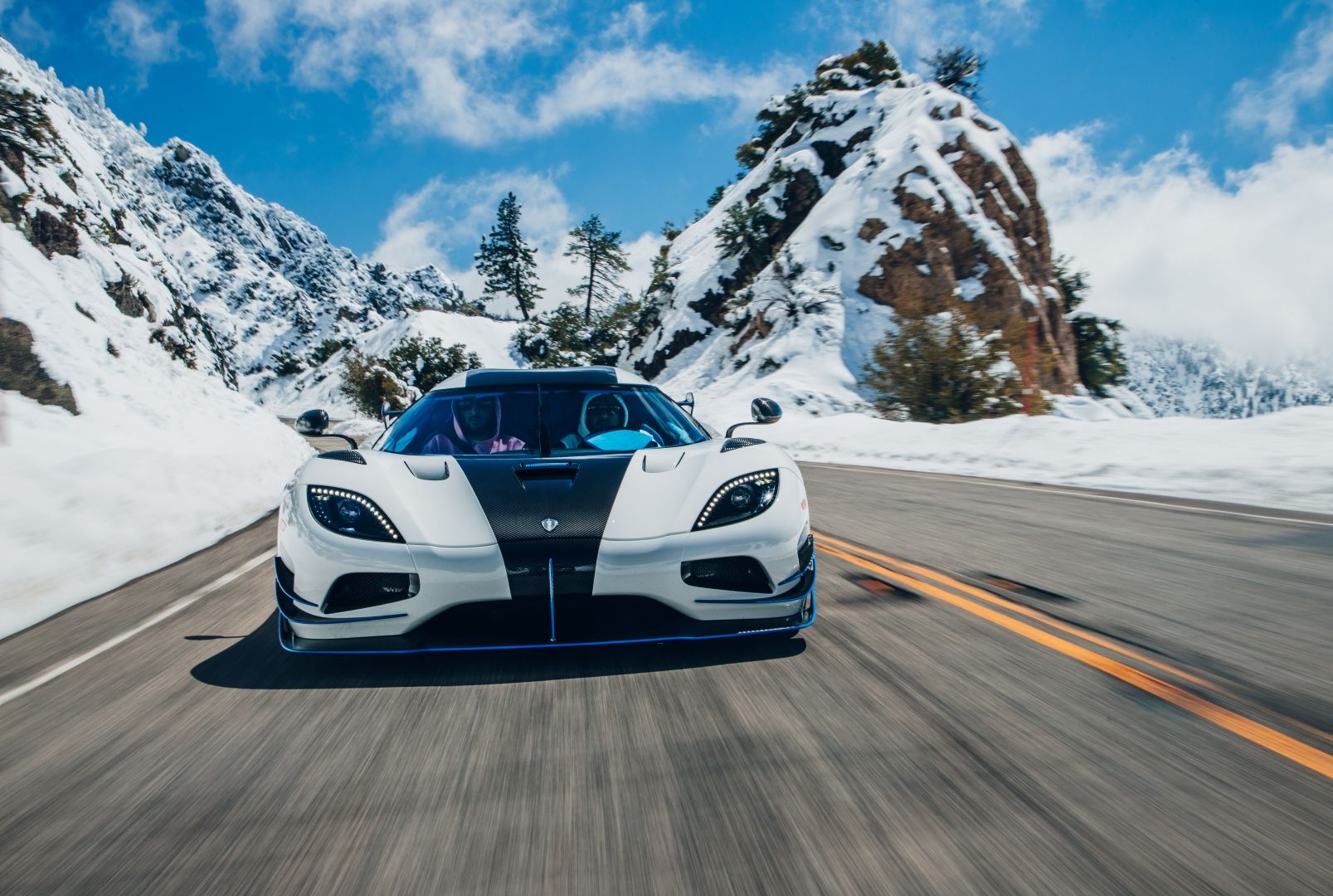
On November 4th, 2017, the
Koenigsegg Agera RS
achieved five new world
records for a production
vehicle in Pahrump,
Nevada, USA. Driven by
factory driver, Niklas Lilja,
the Agera RS attained the
highest top speed for a
production vehicle,
calculated using an average
of two runs – one in either
direction. The record speed
achieved was 447.19 km/h
(277.87 mph). On the same
day, the Agera RS clocked
33.29 seconds from
0-400-0kmh, beating the
previous time of 36.44
seconds set by the same
car in Denmark one month
earlier. The highest average
speed for a flying kilometer
on a public road was also
recorded, calculated after
running the car in two
directions, at 445.63 km/h.
A new flying mile record
was also achieved, at
444.76 kmh. Lastly, the RS
also saw the highest speed
achieved on a public road
(single direction), measured
at 457.94 km/h (284.55
mph).
2019
Koenigsegg Jesko Debut & Regera 0–400–0 km/h Record
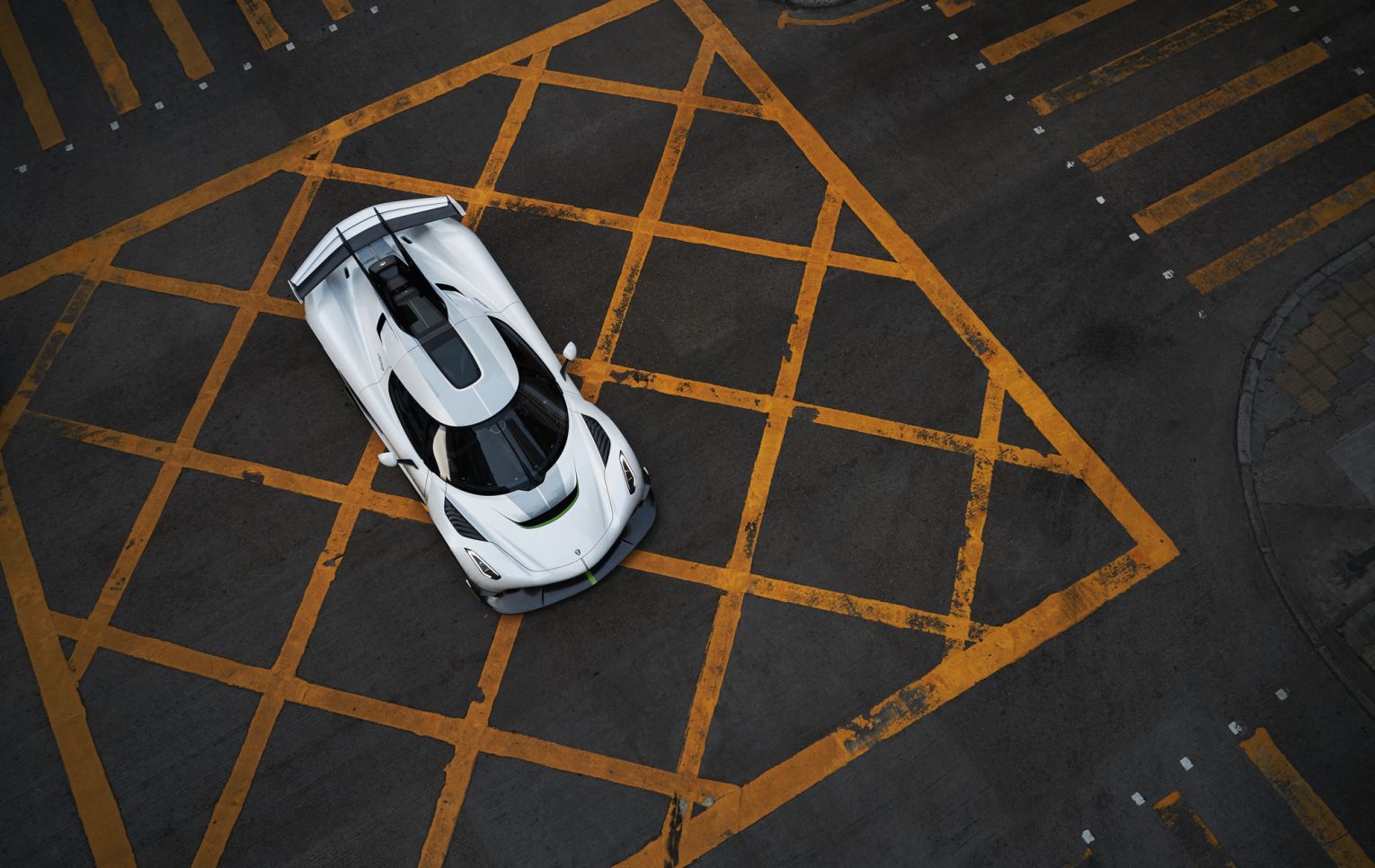
The Koenigsegg Jesko made its debut at the 2019 Geneva International Motor Show as the successor to the Koenigsegg Agera RS, pushing the limits of what a road-legal hypercar could be with a 5.0-litre twin-turbo V8 producing up to 1,600 bhp on E85, paired with the revolutionary 9-speed Light Speed Transmission, extreme aerodynamics generating up to 1,400 kg of downforce, and advanced systems like active rear-wheel steering for maximum stability and control. That same era also saw the Koenigsegg Regera set a new 0–400–0 km/h world record at Råda military airfield in Sweden, completing the run in 31.49 seconds on 23 September 2019 with factory driver Sonny Persson, beating the previous Agera RS record by 1.8 seconds and reinforcing Koenigsegg’s dominance in real-world acceleration benchmarks.
2020
Koenigsegg Jesko Absolut Unveiled & Gemera Concept
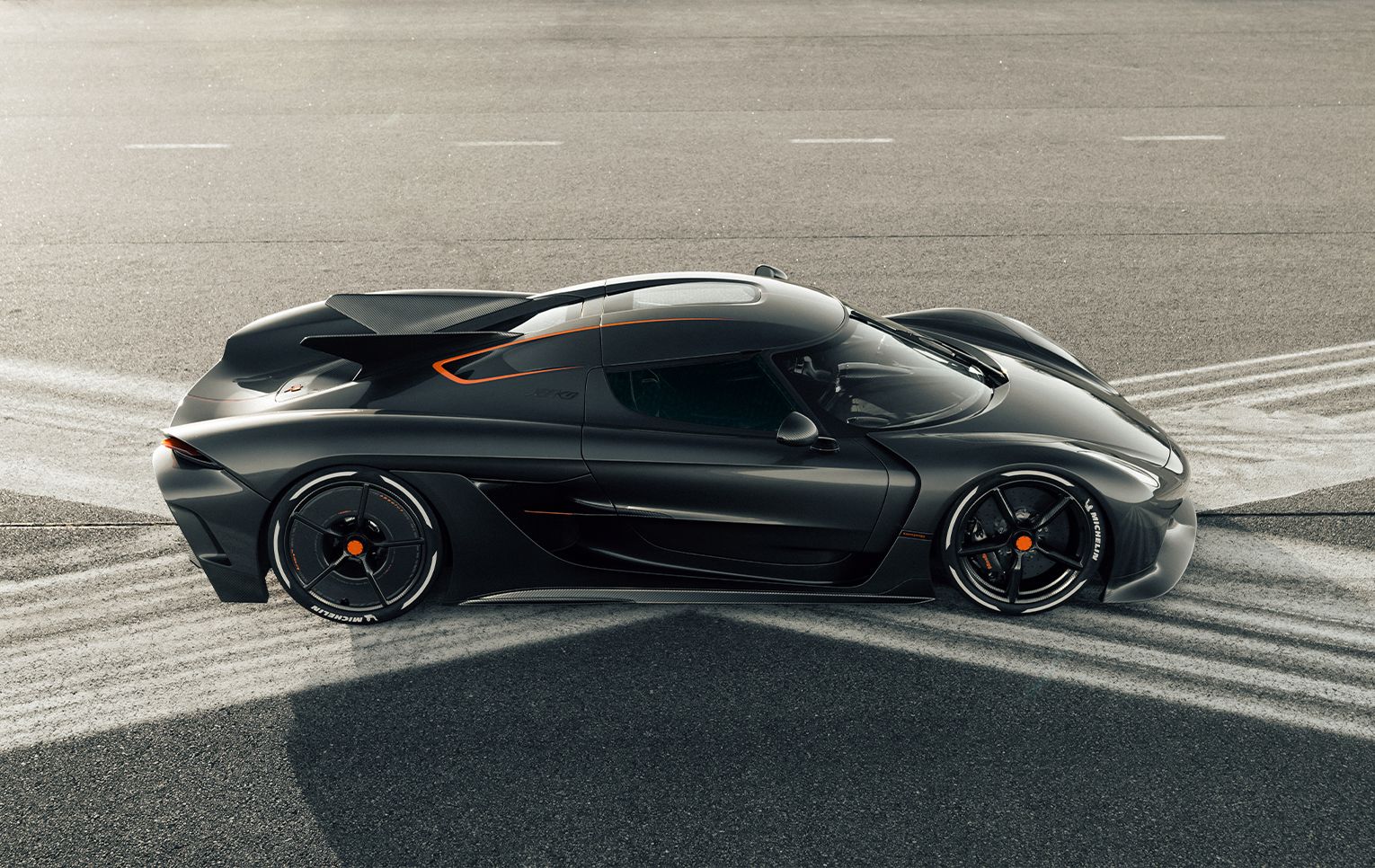
The Koenigsegg Jesko Absolut, unveiled in 2020 by Koenigsegg, was designed with one clear goal: to become the fastest Koenigsegg ever built, featuring an extremely low drag coefficient of just 0.278 Cd and aerodynamics optimised purely for top-speed stability, giving it the feel of a land-based rocket built for record-breaking runs, while the same era also introduced the Koenigsegg Gemera concept as the brand’s first four-seater “Mega-GT,” limited to 300 units and combining practicality with extreme performance through hybrid powertrains that initially paired the “Tiny Friendly Giant” engine with the Regera’s Direct Drive system, later evolving in client specifications to include a Hot-Vee V8 and the advanced Light Speed Tourbillon Transmission.
2022
Hypercar of the Year, Koenigsegg CC850 Reveal & Gripen Atelier Grand Opening
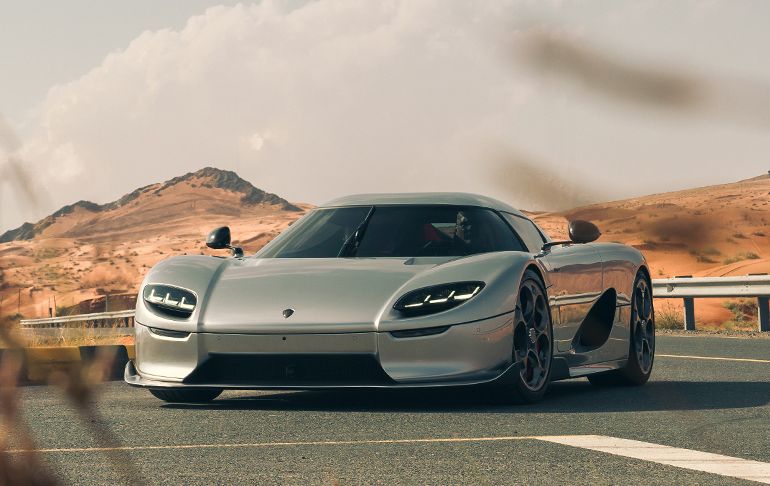
The Koenigsegg Jesko was awarded the 2022 Top Gear Hypercar of the Year by Top Gear, recognised for its blend of design, performance, craftsmanship, and advanced technology. In the same era, Koenigsegg CC850 was unveiled at The Quail during Monterey Car Week as a modern tribute to the original CC8S, celebrating both 20 years of Koenigsegg production and the 50th birthday of founder Christian von Koenigsegg, with just 70 units planned and innovations like the Engage Shift System and Gen 2 Chronocluster. Alongside these milestones, Koenigsegg also inaugurated the Gripen Atelier, adding 10,000 m² of development, production, and showroom space in Ängelholm—expanding its footprint to 30,000 m² and marking the first new automotive factory built in Sweden in 50 years.
2023
Koenigsegg Regera 0–400–0 km/h Record, Gemera Production Spec & CC850 Top Gear Innovation
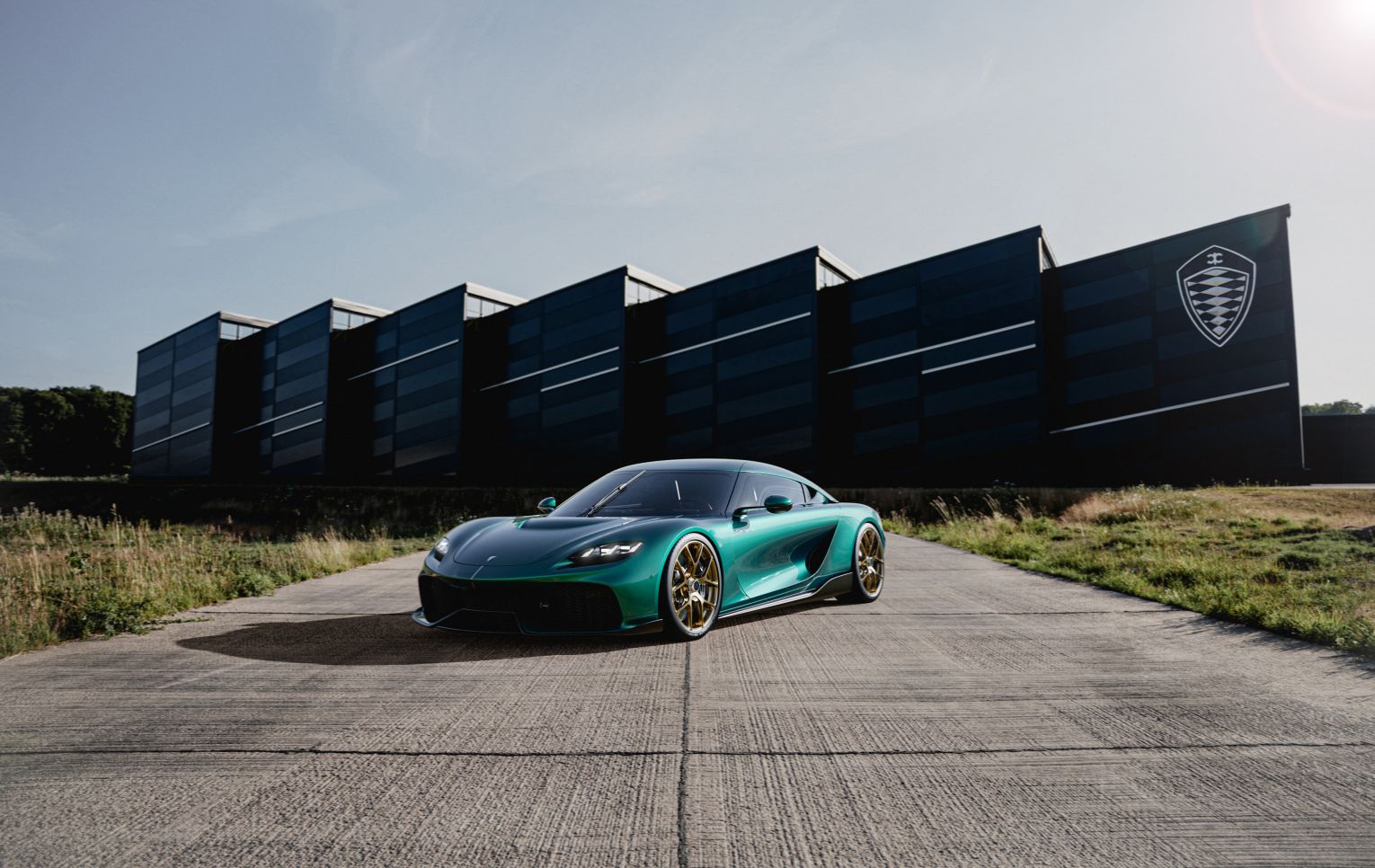
The Koenigsegg Regera reclaimed its place at the top of the performance world by setting new 0–400–0 km/h and 0–250–0 mph records, completing the runs in an incredible 28.81 seconds and 29.60 seconds respectively, further proving its hybrid Direct Drive system’s real-world dominance. In 2023, the Koenigsegg Gemera entered its production-spec phase with the Client Specification version, introducing major technological upgrades such as the Dark Matter e-motor replacing three smaller units, the Light Speed Tourbillon Transmission enabling four-wheel drive and torque vectoring for the first time in a Koenigsegg, and a new Hot-Vee V8 option pushing total output to around 2,300 hp, making it the most powerful fully homologated car in the world. Meanwhile, the Koenigsegg CC850 earned the Top Gear Innovation of the Year Award for its revolutionary Engage Shift System, which uniquely blends a traditional six-speed manual with a fully automatic gearbox, giving drivers the choice between analogue engagement and seamless modern performance in one system.
2024
30 Years of Koenigsegg — Jesko Absolut 0–400–0 km/h Record & Jesko Attack Laguna Seca Lap Record
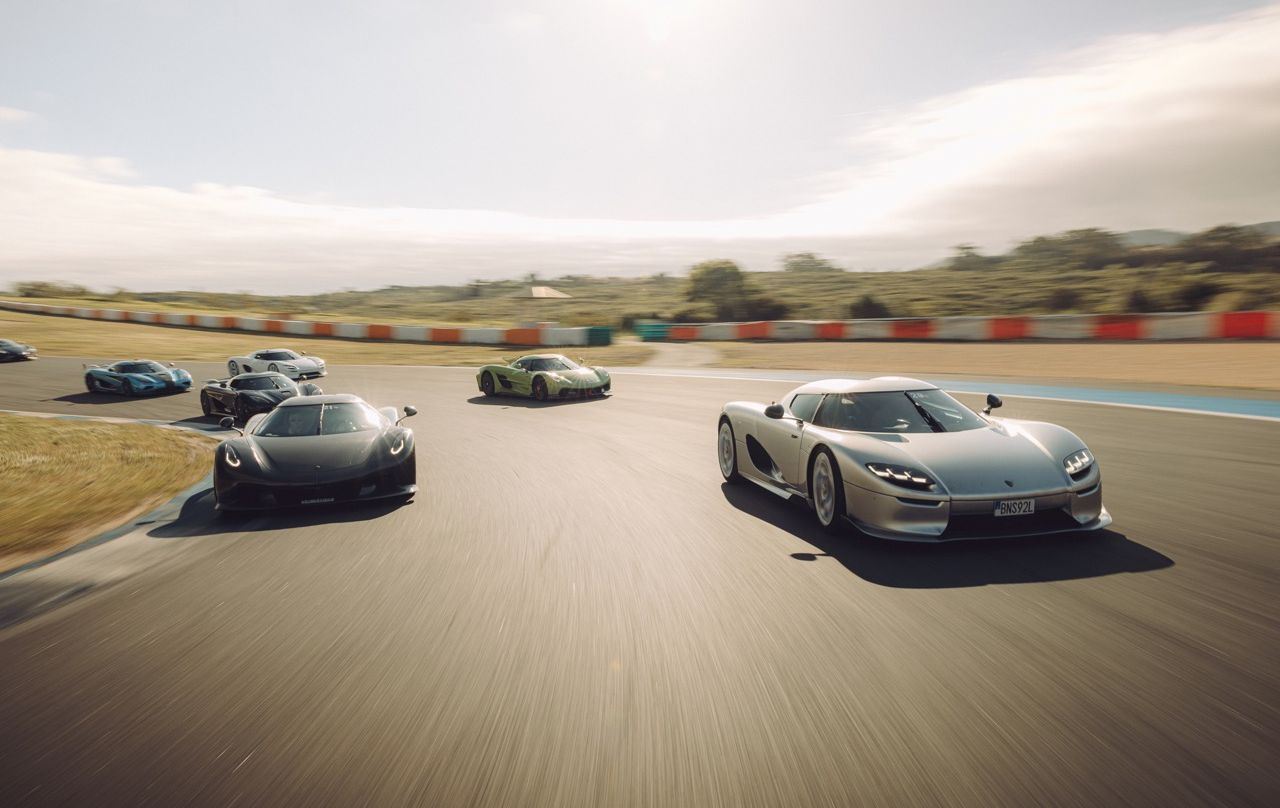
In 1994, what started as a simple sketch in Microsoft Paint by Christian von Koenigsegg grew over three decades into Koenigsegg, a brand of more than 700 employees known for producing some of the world’s most extreme megacars, setting multiple speed and acceleration records, and earning global recognition for design and innovation, ultimately proving there was space in the automotive world for uncompromising, high-performance engineering. That philosophy reached new heights in 2024 when the Koenigsegg Jesko Absolut set a new 0–400–0 km/h world record at Örebro Airfield, completing the run in 27.83 seconds and achieving 0–400 km/h in just 18.82 seconds thanks to its ultra-low-drag aerodynamic design, surpassing the previous Regera benchmark of 28.81 seconds, while the Koenigsegg Jesko Attack also made history in August 2024 by setting a production car lap record at Laguna Seca Raceway with a time of 1:24.86, despite neither the car nor test driver Markus Lundh having prior experience on the circuit, highlighting Koenigsegg’s continued dominance in both acceleration and track performance.
2025
Sadair’s Spear Reveal, Jesko Absolut 0–400–0 km/h Record & Sadair’s Spear's Laguna Seca Lap Record
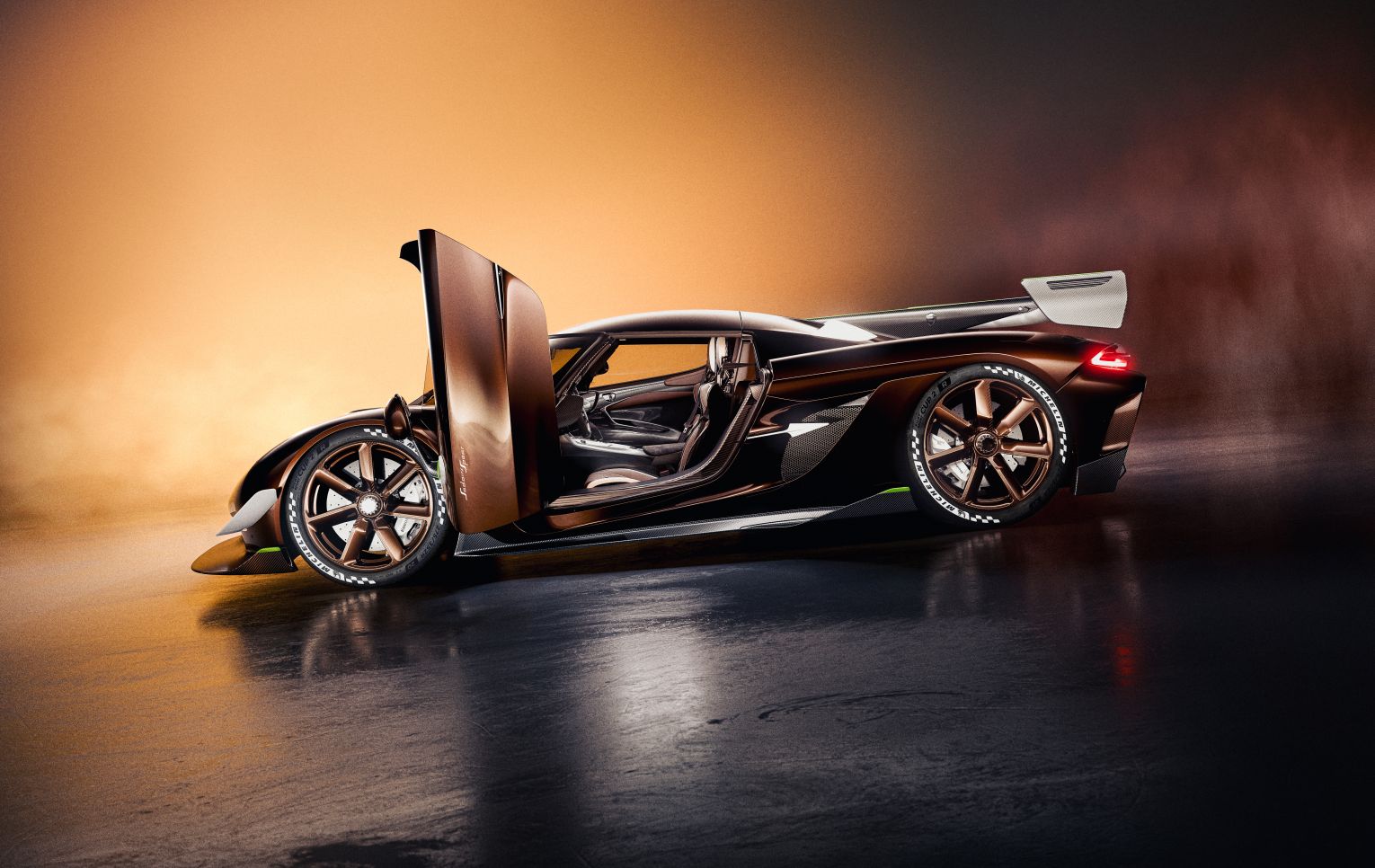
In June 2025, Koenigsegg Sadair’s Spear was unveiled by Koenigsegg as a track-focused tribute to the horse raced by the Koenigsegg family in 1976, with its design centered on extreme performance through increased power, reduced weight, and aerodynamics optimised for consistent downforce; the 30-car limited edition made its world premiere at the Gripen Atelier during the annual dealer conference before a public debut at The Aurora in Båstad, Sweden, while later that year the Koenigsegg Jesko Absolut reclaimed the homologated production car 0–400–0 km/h world record at Örebro Airfield on 7 August 2025 with a time of 25.21 seconds (16.77 seconds to 400 km/h and 8.44 seconds back to zero), driven by factory test driver Markus Lundh, and the Sadair’s Spear itself went on to set a new homologated production lap record at Laguna Seca on 4 November 2025 with a time of 1:24.16 despite strict noise limits requiring additional exhaust silencing, further reinforcing Koenigsegg’s dominance in both acceleration and circuit performance.
Christian von Koenigsegg
Christian and Koenigsegg Automotive AB have introduced and patented multiple new technologies over the years.

Among them are the ”rocket” catalytic converter, the supercharger response system and a variable geometry turbo system, to name but a few. We’ve even developed unique ways of using carbon fiber that make the car lighter, stronger and safer.
The Koenigsegg philosophy does not tolerate compromise. Rather, we work with innovation in order to avoid compromise completely. Nothing is impossible. This open-mindedness and dedication are what define Koenigsegg and its cars.
The Koenigsegg philosophy does not tolerate compromise. Rather, we work with innovation in order to avoid compromise completely. Nothing is impossible. This open-mindedness and dedication are what define Koenigsegg and its cars.
Christian von Koenigsegg
CEO Koenigsegg